
Ballard: Nordic Heritage & Seattle’s Brewery District
Ballard is a vibrant district in Seattle that mixes the strong Nordic culture with developing modernity. It is also known to have Scandinavian origins and has been the heart of the Scandinavian community in Seattle and the fishing and shingle capital of the world. Nevertheless, Ballard is a trendy neighborhood nowadays; young professionals live there, and there are successful breweries and old-fashioned beauty. The neighborhood is well balanced between the traditions of the old and the modern world of urbanization and has a combination of the new and the old giving the neighborhood a unique and appealing place to visit, work and live.
A Historic Nordic Community
Ballard was first established in the late 19 th century as the hub of the Scandinavian immigrant community in Seattle. It was called the Shingle Capital of the World in 1895-1904 and was at one time a lumber industry center. It is also observed nowadays and in particular in the National Nordic Museum that displays the strong Scandinavian ties of the neighborhood. Although the proportion of the residents with Scandinavian origin has decreased, the sense of Scandinavian culture has not diminished as everyone feels proud of the Nordic heritage and traditions such as Syttende Mai, the Constitution Day of Norway, are celebrated on a regular basis and on May 17 th gatherings.
Another piece of evidence of the marine heritage of the neighborhood is the iconic Ballard Locks or the Hiram M. Chittenden Locks. The locks are a tourist attraction, and form a linkage between Lake Washington and Puget Sound, and form an important component of the commercial and recreational fishing sectors in Seattle which remained active in 2011 in Fisherman’s Terminal, the historic commercial fishing wharf.
Ballard’s Brewery District: A Popular Destination
Ballard is today famous with its colorful Brewery District, which accommodates approximately 12 breweries. This is now a hot area across locations and tourists have been flocking to the craft breweries in the area not just in Seattle but also in other parts of the state. The breweries as well as their distilleries and pubs have made Ballard a brewing capital of today, giving the district a good name as one of the most desirable places in Seattle to those who love food and drink.
The Brewery District is an eclectic merchandising and housing area, which has added to the youthful environment of professional and young commerce in the area. Being a fashionable, changing locality, Ballard is experiencing great gentrification and development of properties which makes it an ideal place to stay for young professionals who desire to experience the vibrancy of the social life of the city but still enjoy its historical beauty.
The Vibrancy of Young Professionals and Trendy Evolution
The young and vibrant population is one of the characteristic features of Ballard. The young professionals, families and artists form a mix in the area with a median age of 33. The energy of the area has been fed by the increasing number of people who want to be close to the technological centers, cultural places and lively nighttime in Seattle. Since Ballard is still being gentrified, it is going through a metamorphosis of new property construction, cool cafes and enterprises that serve the young and energetic people of Ballard.
Simultaneously, the historic side of Ballard is part and parcel of the identity. The historic district of Old Ballard with the original brick constructions, is a peek into the history of the neighborhood, whereas the new constructions are well integrated into the structure of the locality, which adds to its peculiarity. The historicity and urban coolness make Ballard an attractive area to both long-term and new residents because of the balance that is created by both.
Tree Care in a Historic, Maritime Neighborhood
Ballard tree care requirements are influenced by the historicity and changing landscape. The area is also home to a lot of mature trees, which are between the late 1800s and the 1920s, and have grown along with the development of the neighborhood. The trees are part of the image of the neighborhood that provides the community with greenery and shade besides continuity in an otherwise fast-paced urban scenery.
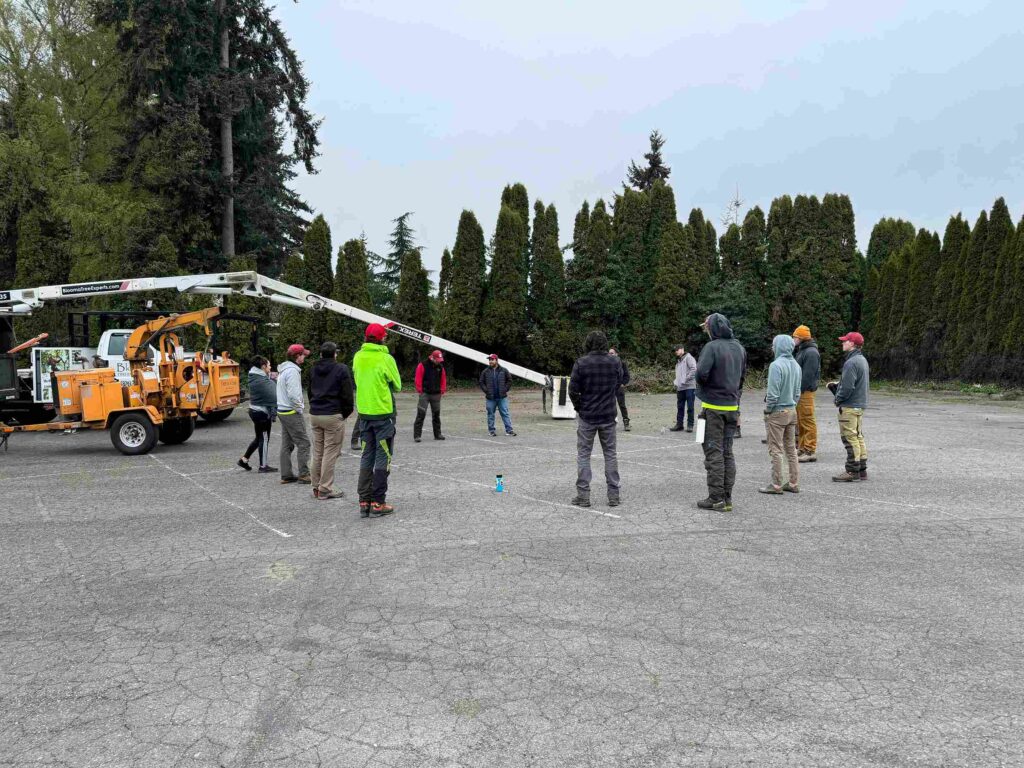
Trees play an important role in ensuring that the neighborhood has good environmental health and also to ensure the beauty of the area considering the closeness of Ballard to the water. There is a need to consider the special maritime climate of Ballard, such as saline waters and unpredictable weather conditions when taking care of trees. Most of the trees in Ballard, especially in the historic districts, need special attention in order to prosper in the conditions of the urban environment in close proximity to the water.
Due to the development of the neighborhood, it is important to retain these mature trees not only to preserve a beautiful appearance but also to sustain the environment. The growing interest in the issue of sustainability in the neighborhood implies that residents and property owners have developed more awareness of the necessity to have the trees maintained with the consideration of the historical integrity of the area without neglecting the current requirements in urban life.
Urban Cool Meets Historic Heritage
A combination of ancient and modernity makes Ballard one of the most desirable areas in Seattle. The Nordic origins that assisted in developing the identity of Ballard still resonate even in the neighborhood including the museums in the area and even the yearly celebrations. Regardless, as the area has grown it has been modernized, there are cool bars, restaurants and boutique, which cater to the young, professional population that Ballard now has.
Ballard is somehow energetic, because of its old world beauty, historical buildings and progressive youthful generation. The location of the neighborhood, being between the city core of Seattle and the nature of the waterfront, is another favorite outdoor activity place. Ballard also hosts Golden Gardens Park which is a beachside park where the residents can enjoy the outdoors either on a walk, picnic or even just enjoying the scenery of the Puget Sound.
The Role of Tree Care in Ballard’s Future
Since the neighborhood keeps developing, tree maintenance in Ballard is one of the main factors that uphold the distinctiveness of the neighborhood. The presence of trees in Ballard not only improves the aesthetic value of the place, but also contributes to the preservation of environmental equilibrium in an even more sustainability-oriented city. To the property owners and residents, the healthy trees are the way to go in helping the whole community to thrive, retain the natural beauty and also to make sure Ballard continues being a green and lively place to stay so that future generations will enjoy the same amenity.
Ballard remains one of the busiest neighbourhoods in Seattle in terms of historic, cultural and modern sophistication. It may be a craft beer in Brewery District, or the Nordic history at the National Nordic Museum, or the relaxation in the Golden Gardens Park. Ballard is an interesting and rich place to reside and where the history, the present and the future of Seattle are perfectly combined.
A Heritage Neighborhood with Modern Appeal
Ballard is an ideal mix of the Nordic culture of Seattle and its changing and developing culture. Since its beginning as the hub of the Scandinavian community to becoming the brewery district of the city, Ballard is one of the neighborhoods that venerate its history and at the same time adopt the spirit of young professionals, businessmen, and creators. Ballard is a unique neighborhood in Seattle due to the historic trees and the vibrant urban development. It is important to take care of trees in Ballard to preserve its original beauty and environmental well-being whether it is the preservation of the rich history of the area or its sustainability in the future. With the continuity and adaptation of Ballard, tradition and innovation will make it one of the most favorite and diverse areas in Seattle.