
The backdrop of most landscapes is evergreen trees, because of their greenery throughout the year, strength, and environmental importance. But even the hardiest pines, spruces, cedars and firs are susceptible to illness.
Cure of evergreen trees is necessary to save the trees, preserve the property and keep the balance in the ecosystem. This guide contains the diagnosis of common diseases, symptoms and effective disease control methods of evergreen trees, chemical and organic tools used in controlling the disease, the decisions to be made concerning prevention, timing and professional treatment.
What Are Evergreen Tree Diseases?
Diseases of evergreen trees are caused by fungi, bacteria and viruses, and over 50 diseases have been known to affect trees around the world. These diseases interfere with the process of photosynthesis, stabilize structures and may ultimately kill trees unless treated.
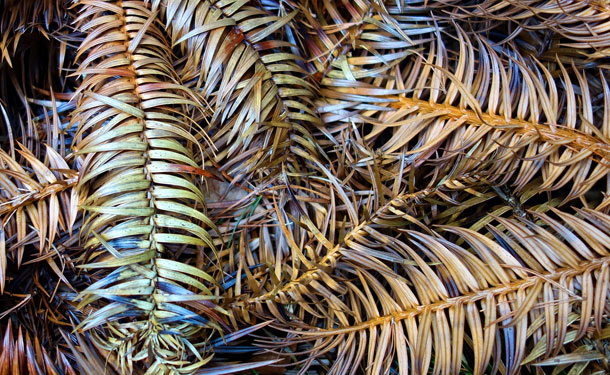
Figure 1: Browning and needle drop on evergreen branches, a common symptom of advanced tree disease progression.
Most of them relate to fungal infections but bacterial blights, viral pathogens and abiotic disorders (when caused by poor soil, drought or pollution) can also contribute. Infection is usually through airborne spores, infected soil, waterlogging or insect vectors. Seasonal outbreaks usually occur during wet, humid spring and summer seasons when dampness and warmth contribute to the growth of fungi.
- The effect is both environmental and economic: diseased evergreen trees lose their canopy density, lowering carbon uptake as well as wildlife habitat, and replacement and property value losses can exceed thousands of dollars per tree.
Common Evergreen Tree Diseases Symptoms
Accurate evergreen tree disease treatment starts with recognizing symptoms early. Symptoms appear across needles, branches, crown, roots, and trunk.
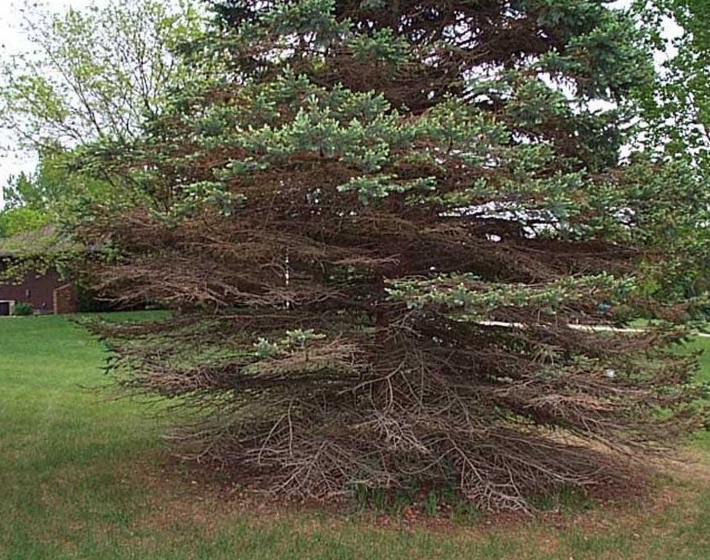
Figure 2: Evergreen tree showing lower branch dieback and canopy thinning, typical symptoms of needle cast disease progression.
- Needle changes are the most obvious signs: yellowing, browning, or premature drop may affect 30–70% of foliage within six to twelve months of infection. Branch-level indicators include resin bleeding, cankers, and bark peeling.
Crown symptoms manifest as thinning canopies, dead tops, or stunted growth. Root-related diseases cause instability, soft or discolored roots, and soil fungus near the base. Trunk damage may show as bark discoloration, fungal mats, or structural weakness.
Early Detection of Evergreen Tree Disease Symptoms
It is important to look visually. Arborists and home owners are advised to systematically go around trees, inspecting the canopy to the root. The symptoms can also be seasonal; spring needle yellowing might not be the same as autumn resin bleeding. The needles of pines are the first to discolour and spruces are prone to Cytospora canker.
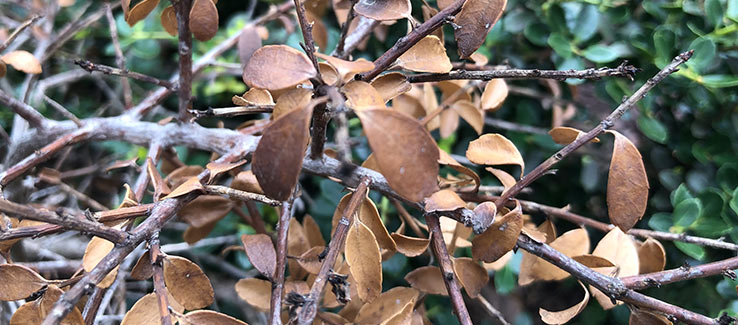
Figure 3: Evergreen foliage displaying browning and dieback caused by fungal infection, a common indicator of advanced tree disease.
Taking notes and photos of the progression can assist in tracking the severity of the situation and help professional arborists in their diagnosis. Early detection of changes is a significant factor in increasing the rate of success in treating evergreen tree disease.
Major Types of Evergreen Tree Diseases
- Fungal diseases are the rule, with up to 80 percent of evergreen trees being diseased. These grow well in wet, shaded or compacted soils.
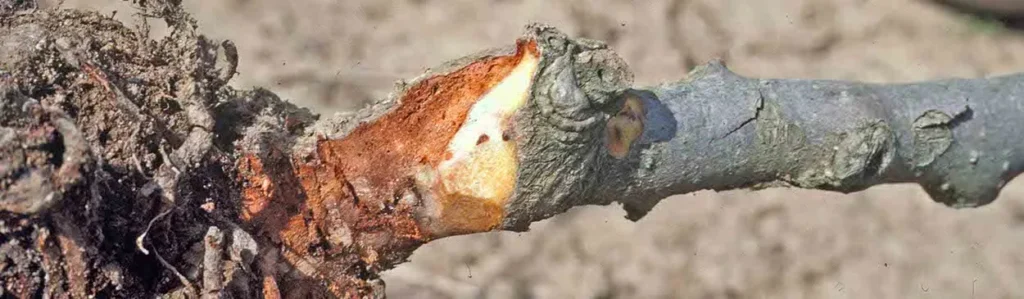
Figure 4: Root and crown rot damage caused by Phytophthora infection, showing tissue decay at the soil line of an evergreen tree. (Image Credit: Janine Hasey, UC Cooperative Extension Sutter and Yuba Counties)
Phytophthora and Armillaria root rot diseases attack the roots below, rotting them off and destabilising trees. Dothistroma or Lophodermium are needle cast diseases that will result in a loss of foliage and a decrease in photosynthesis.
Cytospora causes canker diseases to the bark and branches causing dieback. Rust diseases such as white pine blister rust infect conifers and exist in other hosts as well, such as currants; consequently, they are very difficult to control.
Fungal Diseases in Evergreen Trees
Fungi associated with moisture grow quickly under humid climatic conditions and usually begin to be foliar in nature. The Phytophthora are soil-borne fungi transmitted by poorly drained soils. The fungi that attack photosynthetic tissue are known as the needle fungi, whereas the fungi that circulate in the vascular system choke off the nutrients; these are known as the systemic fungi. Environmental factors like compaction, excessive watering and shade only aggravate fungus growth.
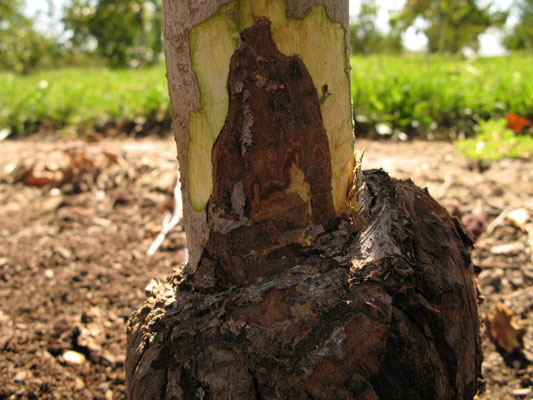
Figure 5: Trunk canker and bark decay from Phytophthora root rot, revealing necrotic tissue at the tree’s crown. (Image Credits: extension.usu.edu)
Evergreen Tree Diseases Treatment Methods
Treatment of the evergreen tree disease needs proper diagnosis before choosing control techniques. Therapy is a combination of cultural, biological, chemical, and holistic approaches.
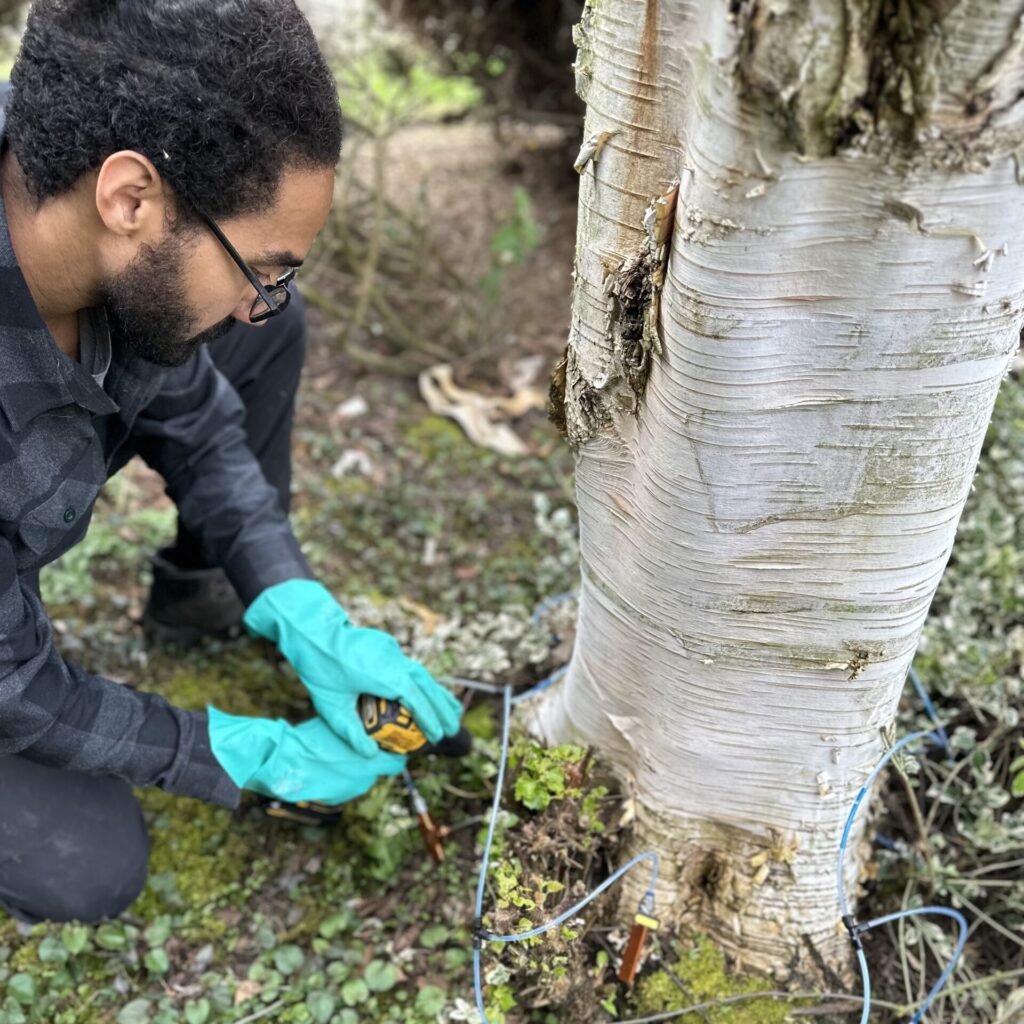
Figure 6: Blooma Tree Expert, Certified Arborist (Ricky) performing trunk injection treatment to deliver systemic fungicides directly into an infected tree.
These cultural practices include pruning of diseased branches, improving the drainage, and spacing of trees. Biological controls use beneficial bacteria and fungi to compete with the pathogens. Chemical interventions include fungicides or bactericides used at the appropriate time of the year when they are the most effective. These techniques are integrated in an Integrated Pest Management (IPM) approach that is more sustainable.
Professional Evergreen Tree Disease Diagnosis
The laboratory-supported diagnoses given by Arborists certified by the International Society of Arboriculture (ISA) are as accurate as 95%. Field measurements are done on samples of needles, bark and soil.
The microscopic spore identifies precise pathogens, the culture tests identify drainage or pH issues, and the soil testing identifies drainage or pH issues. Lab-tested diagnosis would help arborists develop accurate evergreen tree disease treatment plans.
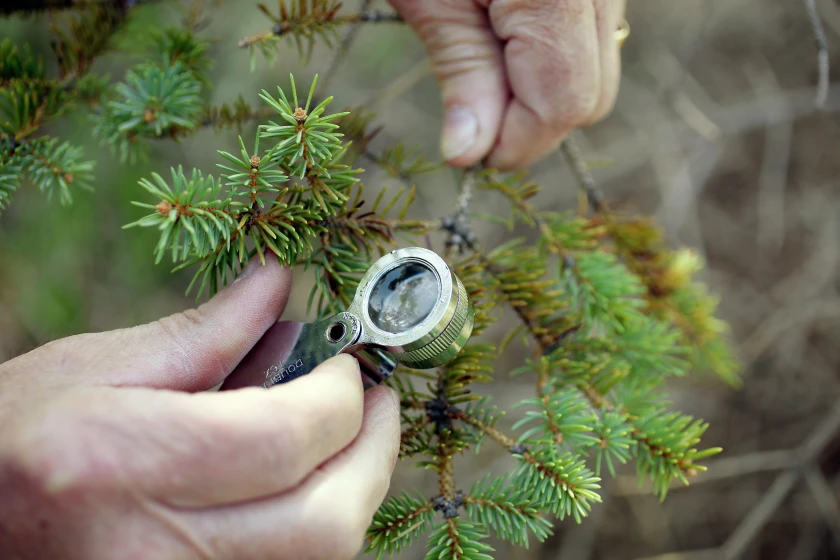
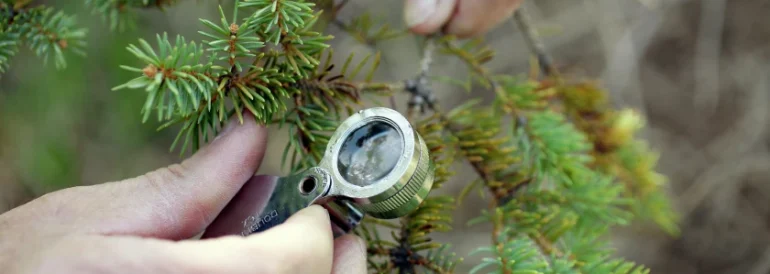
Figure 7: Arborist using a hand lens to inspect spruce needles for fungal pathogens during disease diagnosis. (Image Credits: Dave Wallis / The Forum)
Fungicide Treatment for Evergreen Tree Diseases
Fungicides are still part of the treatment, particularly with serious infections. Systemic fungicides circulate in the tree and combat root and vascular pathogens, but contact fungicides protect the outside.
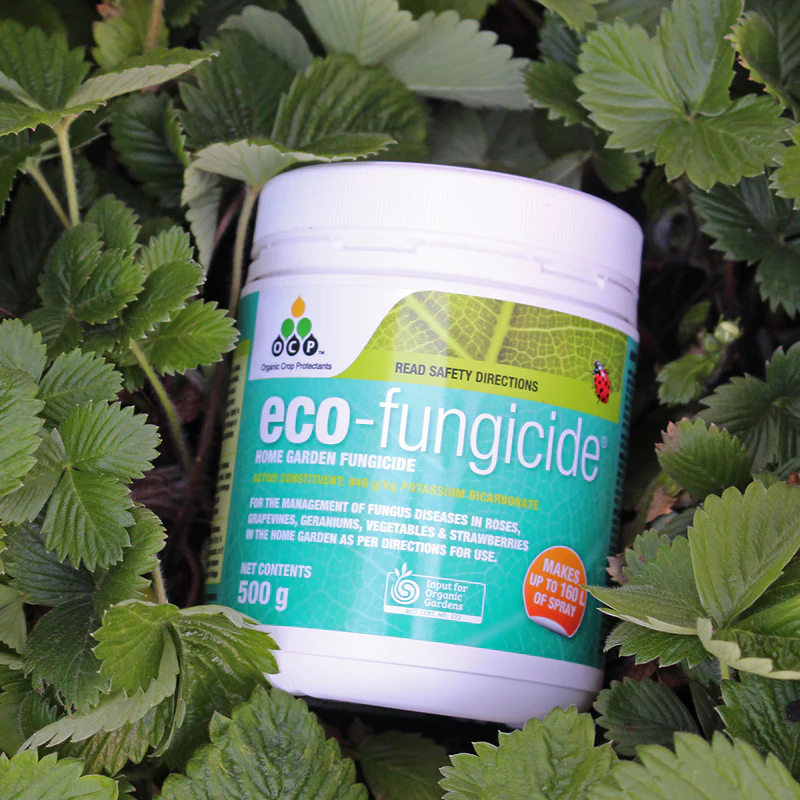
Figure 8: Organic eco-fungicide product used as a natural treatment option for managing evergreen tree fungal diseases.
Up to 75% better systemic distribution of root diseases is obtained in soil drenching than in foliar spraying. The time of the year: pathogen activity coincides with spring and early summer applications. Use only EPA-approved fungicides that are specific to pathogens and alternate classes of fungicides to minimize resistance.
Organic and Natural Evergreen Tree Disease Treatment
Organic and natural evergreen tree disease control is a solution to eco-friendly homeowners. Mycorrhizal fungi are able to increase disease resistance by 40-60 percent through enhanced nutrient uptake. Compost teas increase microbial diversity in the soil, and neem or thyme as essential oils are natural antifungals.
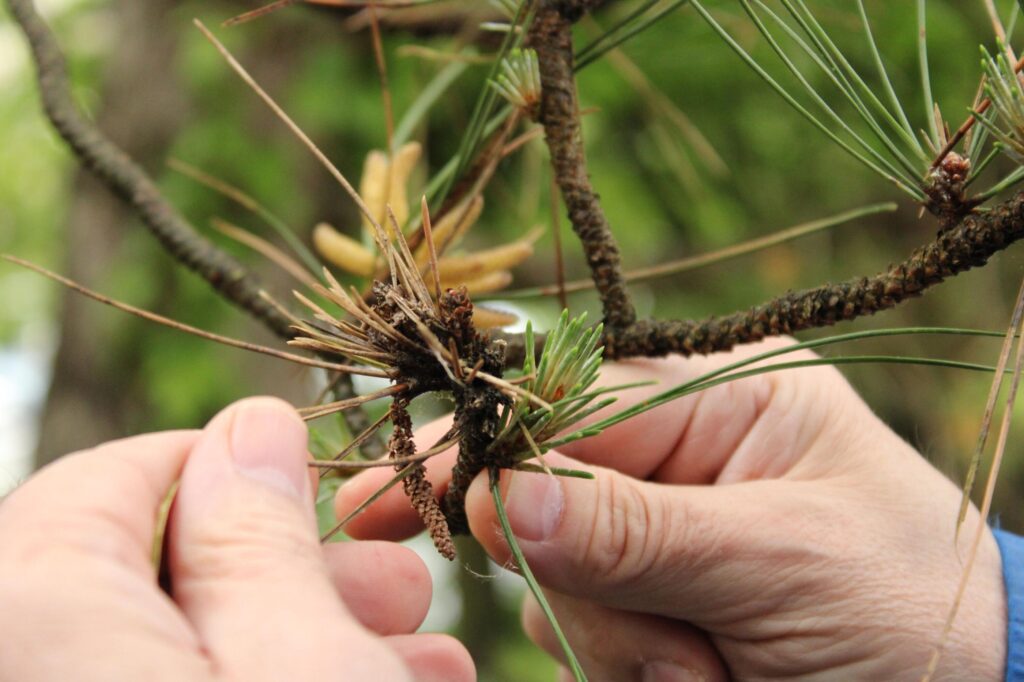
Figure 9: Pine branch infected with needle cast disease, showing browning needles and fungal fruiting bodies along the stem. (Image credits: savatree.com)
Cultural practices, including pruning of infected branches, disinfection of equipment and increasing air circulation, are significant. The use of biological control agents, such as predatory fungi and bacteria, is becoming more and more widespread in the context of sustainable forestry programs.
Preventive Treatment for Evergreen Tree Diseases
It is always cheaper to prevent than to cure. The correct location helps to prevent waterlogged soils or shadowy areas that harbor pathogens. Improved immunity through healthy soil decreases the rate of evergreen diseases by up to 70 percent.
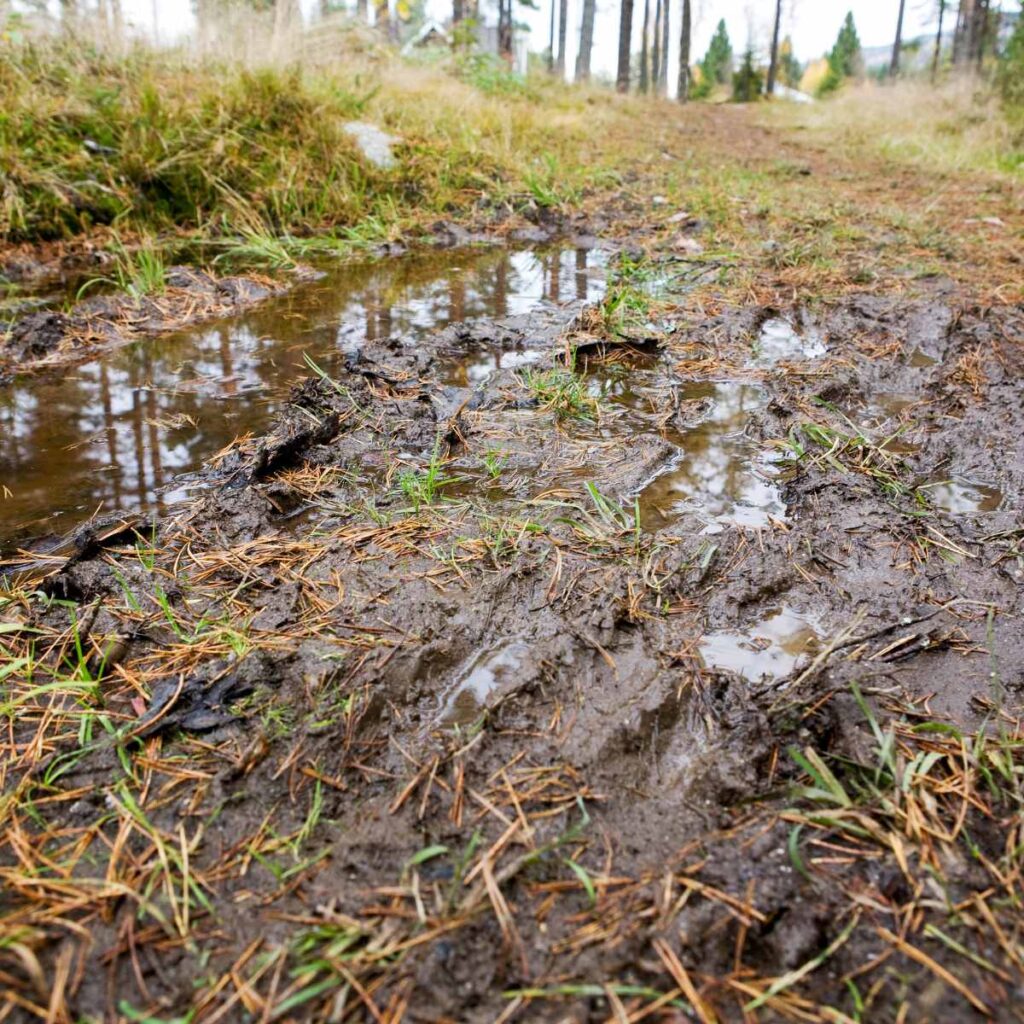
Figure 10: Poorly drained, waterlogged soil creating ideal conditions for root rot diseases in evergreen trees. (Image credits: pavingsuperstore.co.uk)
The airflow is increased through the spacing of trees, which reduces the growth of fungi. The trees are resilient to seasonal care practices, including prompt pruning and fertilisation. Continuous monitoring and arborist health checks identify new problems at their early stages when they are most manageable.
Treatment Timing for Evergreen Tree Diseases
Timing of seasons is imperative. Start preventive treatment at the beginning of spring, before the activity of pathogens increases. The treatment of stress and selective fungicides is targeted during summer. Fall care focuses on sanitation, the elimination of infected debris and soil preparation. Winter is assessment and treatment planning time.
There are optimal treatment windows with each type of pathogen root rot is being managed, and spring control is often required with rust diseases.
When to Seek Professional Tree Disease Treatment
Homeowners can handle minor pruning and sanitation, but professional help is vital when infections spread rapidly or involve high-value specimen trees. Complex cases with multiple symptoms require expert diagnosis.
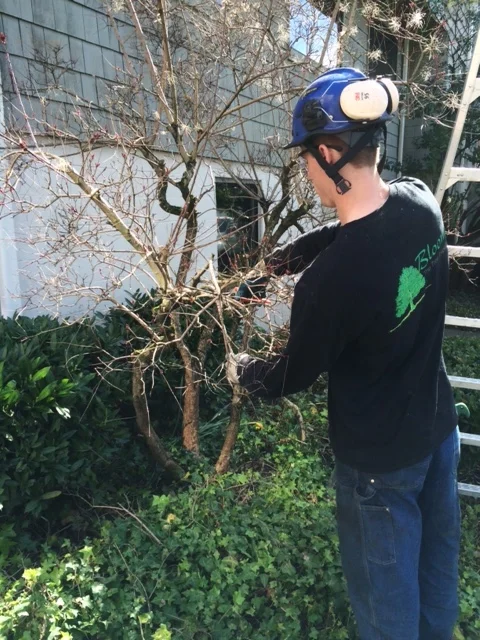
Figure 11: Blooma Tree Certified Arborist performing soil injection treatment at the root zone to improve soil health and deliver disease-control solutions to an evergreen tree.
If cultural and chemical efforts fail to halt disease progression, ISA-certified arborists offer advanced methods and equipment, from trunk injections to high-pressure soil treatments.
Evergreen Tree Disease Treatment Costs and Economics
Treatment costs vary by tree size, disease severity, and treatment duration. Preventive management costs about 60% less than reactive treatment programs. For valuable specimen trees, treatment is often more cost-effective than removal and replacement.
Multi-year treatment plans spread costs while safeguarding tree health. Some homeowner insurance policies even cover tree disease losses under landscape protection clauses.
Advanced Evergreen Tree Disease Treatment Technologies
Modern treatment options are rapidly advancing. Trunk injection systems deliver systemic fungicides directly into vascular tissue, reducing environmental exposure. Soil modification techniques improve drainage and structure.
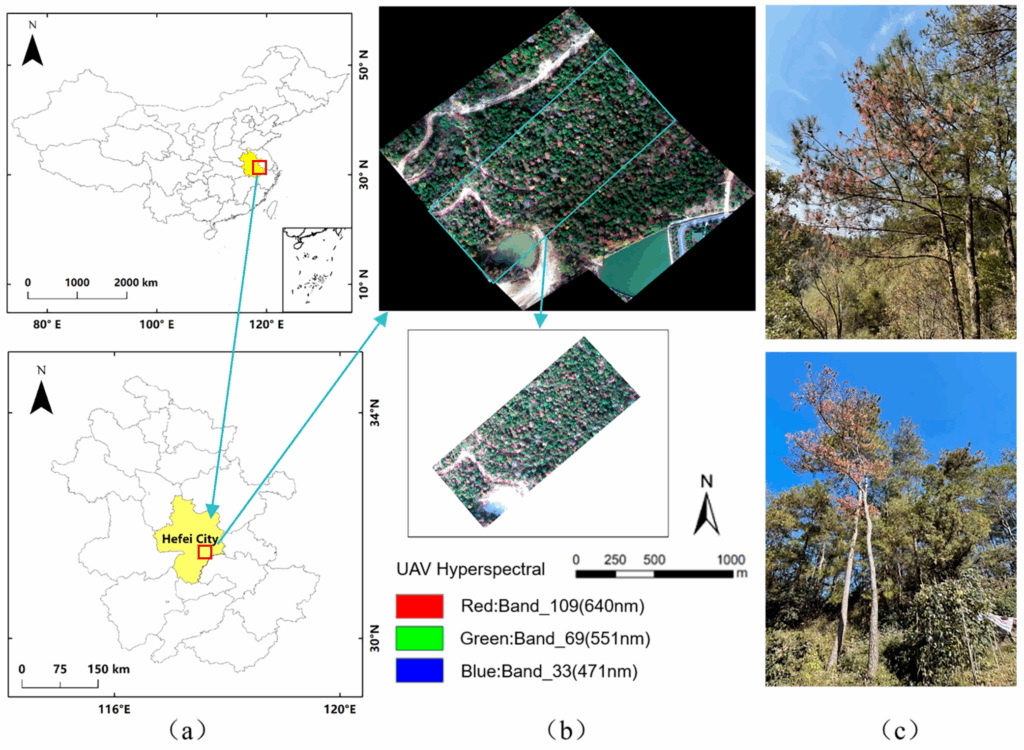
Figure 12: UAV hyperspectral imaging and field observations used to detect and monitor evergreen tree disease outbreaks in Hefei City, China. (Image Credits: mdpi.com)
Biological treatments are expanding with advanced beneficial organisms engineered to suppress pathogens. Digital monitoring tools now allow arborists to detect disease signatures earlier than ever. Research from leading university extensions continues to refine best practices, ensuring evergreen tree disease treatment remains effective and environmentally responsible.