When a homeowner of Seattle calls to request an estimate and tells them that he/she needs to have his/her hedges and trees trimmed, he/she is most likely to be describing two different services. There is no substitution of hedge trimming Seattle and tree pruning. They are utilizing various tools, adhering to various methods and purposes.
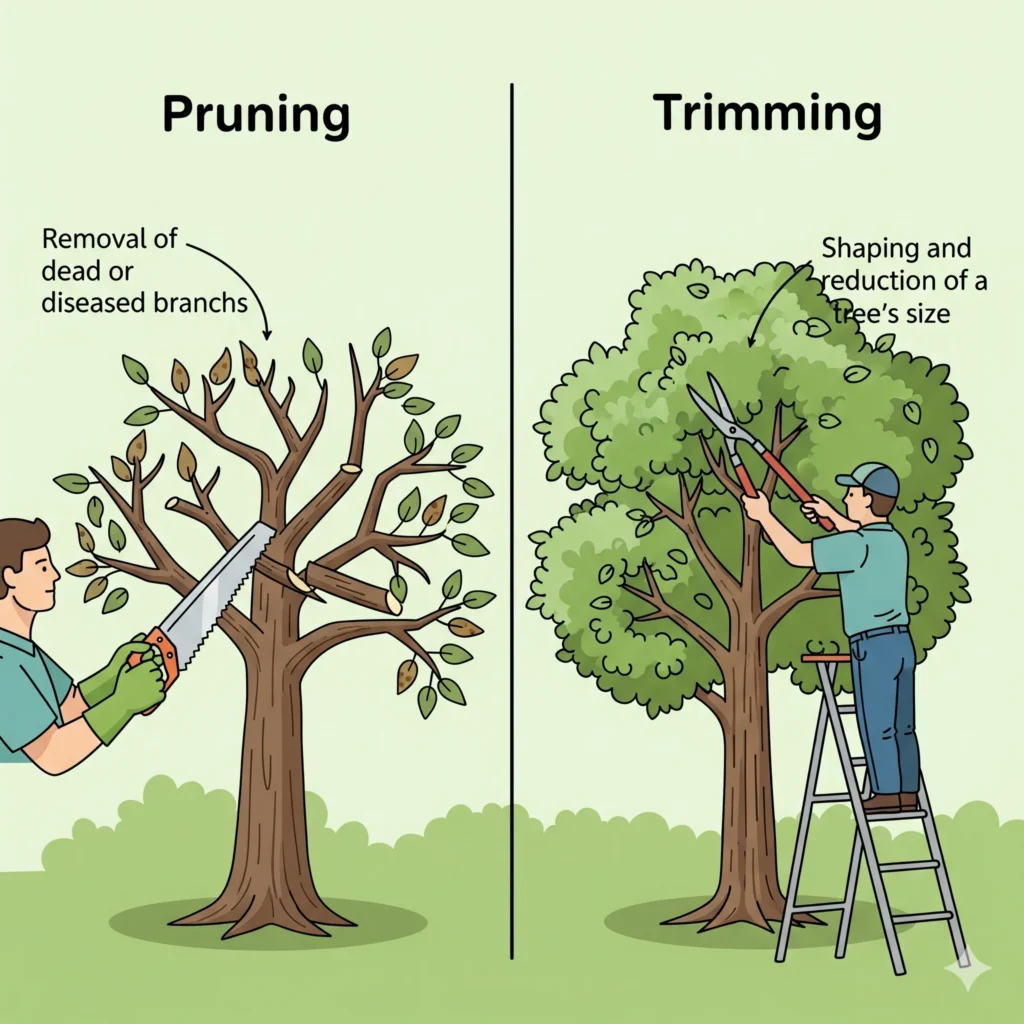
Pruning removes specific dead or diseased branches, while trimming shapes and reducing overall tree size for appearance and control.
And in case you are not sure which one you can ask, you are not the only one. Most house owners interchange the terms until someone clarifies the distinction.
This manual simplifies the differences between tree pruning and hedge trimming in terms that are easy to understand and apply in real-life situations so that you can comfortably insist on the right service. Bloomatree’s ISA-Certified Arborists have been serving Seattle properties for over 18 years, and we’ll make this clear and straightforward.
The Simple Answer: Hedges vs. Trees
Hedges are sequences or clusters of shrubs that are placed close to one another creating a continuous screen or a boundary. The hedge plants used in Seattle are Arborvitae, English Laurel, Privet, Portuguese Laurel and Boxwood.
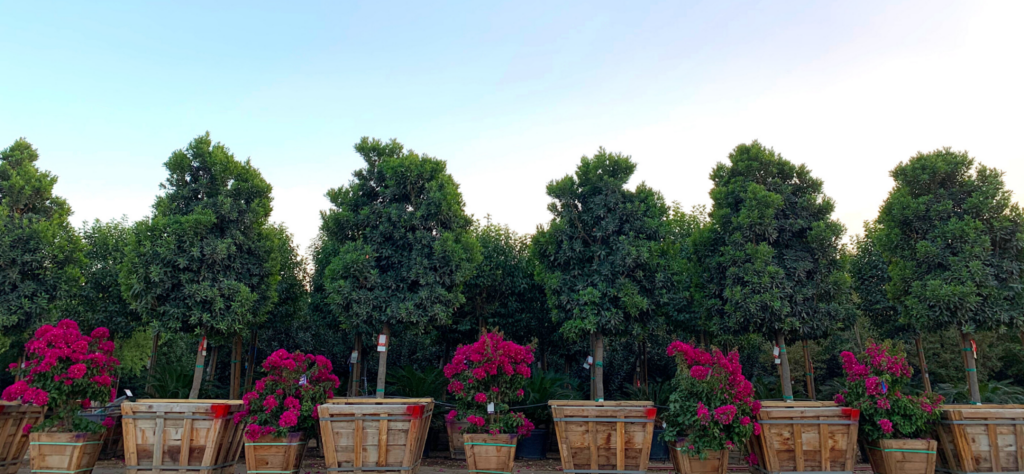
A uniform row of tightly planted shrubs forming a continuous hedge, contrasted with individual trees that grow as distinct specimens.
Trees are woody plants that are characterised by the structure of the trunk and the canopy. Even the multi-stem types remain as separate specimens. Common Seattle ornamental trees include Japanese Maple, Dogwood, fruit trees, and Vine Maple.
To maintain them, the only difference is in the fact that hedges are made in a mass shape to form a homogeneous screen. Pruning of trees is done selectively in order to maintain health, structure, and form as single organisms.
The difference in structure between those two services, mass vs individual is the reason why the tools, techniques, and schedules of those two services differ.
What Is Hedge Trimming? Tools, Techniques, and Timing
Hedge trimming (also hedge pruning Seattle and hedge shaping) is concerned with the appearance of the outside of a hedge, that is, its appearance as a uniform continuous screen.
If you already know your shrubs need shaping, you can learn more about our professional Hedge Trimming services here.
What Hedge Trimming Involves
Hedge trimming is the process of removing the hedge’s surface to maintain consistent height, width, and density. The purpose is to achieve visual homogeneity and privacy screening. This is especially important for privacy hedge maintenance along property lines in Seattle neighborhoods.
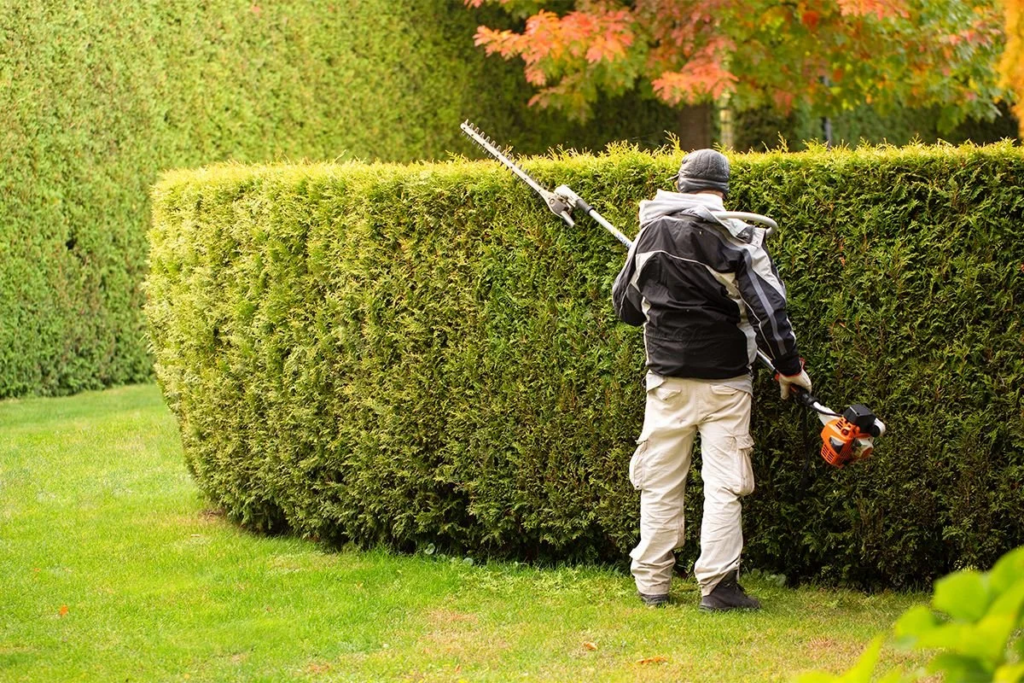
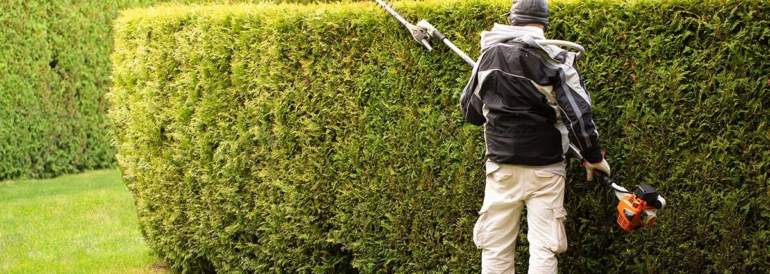
Professional hedge trimming in progress, shaping a dense privacy screen into a clean, uniform surface.
Common hedge forms include:
- Formal rectangular privacy screens (Arborvitae or laurel hedge trimming Seattle properties often require)
- Rounded or softened tops for traditional landscapes
- Informal hedge screening with a more natural silhouette
Although trimming is done to ensure healthy growth, the main aim is to form the plant and the hedge density and not to correct the structural plant.
Tools Used for Hedge Trimming
Hedge trimming uses tools designed to cut many stems at once:
- Electric or gas-powered hedge shears for long surface passes
- Manual hedge shears for precision on formal boxwood hedge borders
- Pole hedge trimmers for tall hedges over six feet
These tools shear across the hedge surface in broad strokes. They are ideal for hedge height control but are not designed for selective branch removal.
How Often Hedges Need Trimming in Seattle
Such fast-increasing hedges as English Laurel and Privet, require trimming two or three times in growing season:
- Late spring (May)
- Mid-summer (July)
- Early autumn (September, optional tidy-up)
Slower growing ones such as Boxwood and certain Arborvitae cultivars typically require one to two trims per year.
September trimming may encourage new growth in Seattle which might not be hardened by winter frost. Proper seasonal trimming schedule matters for long-term hedge care Seattle properties depend on.
What Is Tree Pruning? Tools, Techniques, and Timing
The service of tree pruning is entirely different. It is discriminatory, health-conscious and informed by arborist pruning.
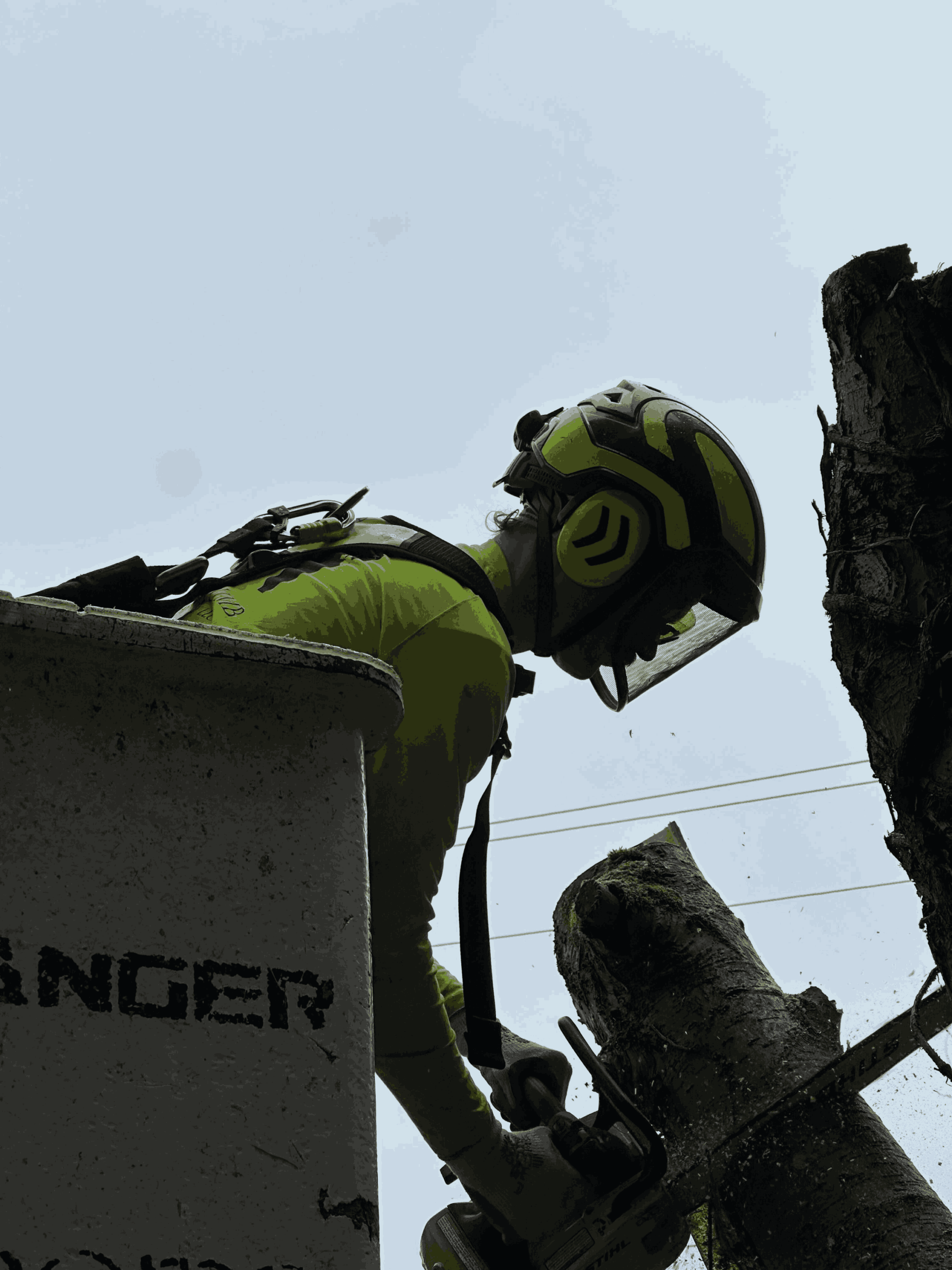
Selective tree pruning using hand loppers to remove individual branches and improve structure and canopy health.
In case there is structural or safety work that needs to be done on your trees, then you can find more information on our involvement in Pruning and Trimming of trees here.
What Tree Pruning Involves
Pruning of trees is defined as the selective cutting of specific parts of trees in order to enhance the health, structure, safety and appeal of the trees.
Common reasons for tree pruning Seattle homeowners request include:
- Deadwood removal
- Crown thinning to improve airflow
- Reducing overextended limbs
- Selective branch removal near roofs or power lines
- Correcting crossing or rubbing branches
Unlike hedge trimming vs tree trimming confusion, tree pruning focuses on preserving the tree’s structure and managing apical dominance tree growth patterns. It follows ISA pruning guidelines to prevent long-term damage.
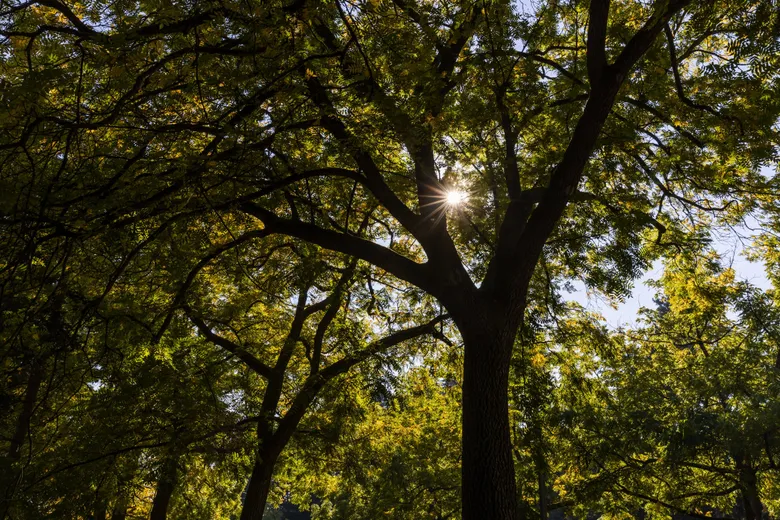
Mature Seattle tree canopy filtering sunlight, highlighting the importance of responsible pruning and urban tree protection.
Tools Used for Tree Pruning
Tree pruning tools are precise and targeted:
- Hand pruners for small branches
- Loppers for medium branches
- Big limb saws pruning saws or pole saws.
- Climbing equipment and climbing ropes on taller trees.
These tools make individual cuts at proper branch unions. They do not shear across a surface. This precision is why tree pruning Seattle properties require is typically performed by an ISA certified arborist Seattle homeowners can trust.
When Trees Need Pruning in Seattle
The majority of ornamental trees are favourable to pruning at the late winter dormant period, which is normally between January and February.
Exceptions:
- The trees, which bloom in spring, such as cherry, plum, and Dogwood, are to be pruned immediately.
- Dangerous or fallen branches may be eliminated at any time to be on the safe side.
The majority of trees should be pruned by professionals every three to five years. Some species like maples and fruit trees grow excessively fast and might need more frequent ornamental tree care.
Side-by-Side Comparison
| Hedge Trimming | Tree Pruning |
| Shapes mass of shrubs as screen | Selectively prunes individual tree branches |
| Uses electric or gas hedge shears | Uses pruners, loppers, saws, climbing gear |
| Goal: uniform shape and privacy | Goal: health, structure, safety |
| Trimmed 2–3 times per year | Pruned every 3–5 years |
| Best timing: spring to early fall | Best timing: late winter dormancy |
| Common plants: Laurel, Arborvitae | Common trees: Maple, Dogwood, fruit trees |
Which Service Do You Need? A Quick Decision Guide
You Need Hedge Trimming If
- You have a row of shrubs forming a continuous screen
- The plants have grown together into a unified mass
- Your goal is consistent height, width, and density
Examples: Arborvitae privacy screen, laurel hedge trimming Seattle properties commonly require, Boxwood edging
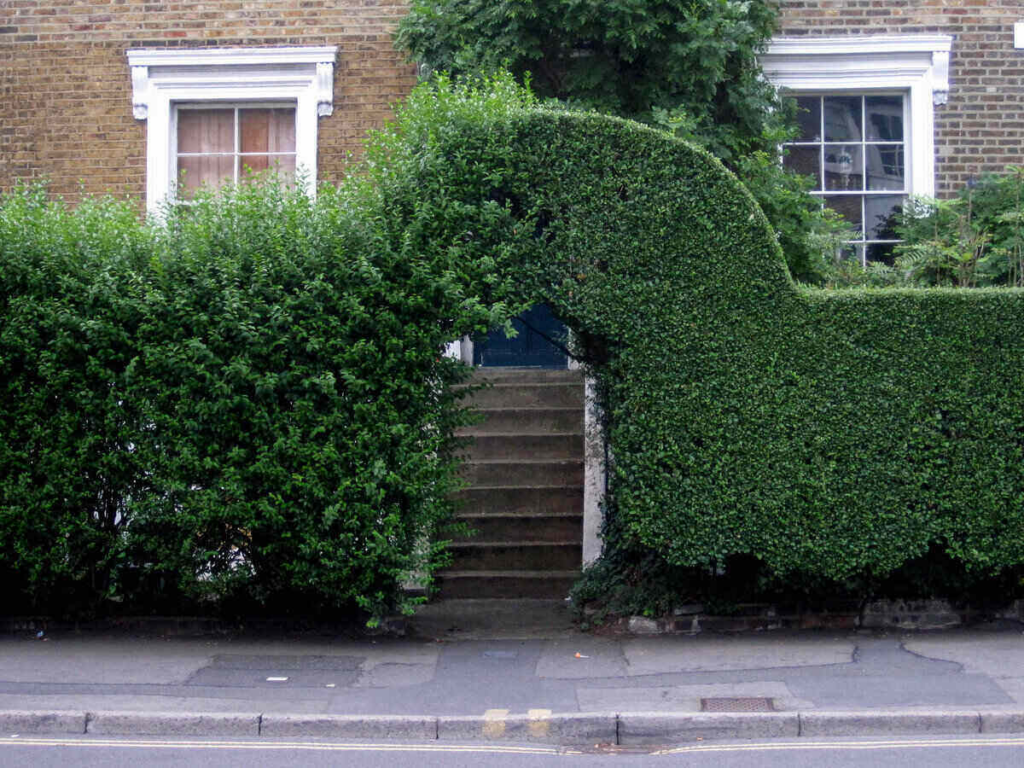
A formally shaped hedge trimmed into a clean archway, demonstrating precise hedge trimming and structured privacy screening.
You Need Tree Pruning If
- You have a tree with a defined trunk and canopy
- You need deadwood removed or branches shortened
- You need roof or driveway clearance
Examples: Japanese maple pruning Seattle front yards, ornamental cherry near driveway, Dogwood with canopy issues
You Need Both Services If
Many Seattle properties have both hedges and ornamental trees. Both services are regularly planned during a visit.
Frequently Asked Questions
Can I use a hedge trimmer on a tree?
No. Hedge trimmers cut many small stems at a time and place an inappropriate wound on the tree branches. Trees need selective cuts at branches unions through the use of proper pruning tools.
Is hedge trimming easier than tree pruning?
Hedging is easier to do mechanically and is largely ornamental. Pruning of trees should be done with the knowledge of the structure, biology, and ISA standards to prevent the damages which are long term.
How much does hedge trimming cost in Seattle compared to tree pruning?
The cost of hedge trimming can be charged on a linear foot or hour based on height and thickness. The cost of pruning trees depends on the size, species, and complexity of the trees. An on-site estimate will be free and give the right pricing.
Can Bloomatree do both in one visit?
Yes. Most properties need both hedge trimming Seattle homeowners request and tree pruning. Our crews regularly handle both services in a single appointment.
Conclusion
A continuous screen is made by hedge trimming. The trees are pruned so as to keep them healthy and structured. Confusion on the distinction between tree pruning and hedge trimming will make sure that you order the right service and not put your landscape investment in jeopardy.
You may require hedge trimming or tree pruning or both and in any case, Bloomatree has ISA-Certified Arborists that will give you a free estimate of the same within Seattle, Bellevue, West Seattle, Kirkland, Edmonds, Shoreline, and any other nearby area.