

When you have a tree blown over your yard, driveway, or roof and you ask the question first, it is simply:
How much will it cost to fix this? The average price of removing a fallen tree in the United States is between 350 and 750 US dollars, which is largely dependent on the size of the tree, its accessibility and location.
Small fallen trees (10-30 feet) may only cost a hundred dollars, whereas giant 100-foot oaks may cost over three thousand dollars, with the potential of having to use heavy machinery or cranes.
The key variable? Size and complexity. Let’s break down exactly what determines your bill and where you can save hundreds of dollars with brilliant timing and planning.
All pricing in this article is based on the Seattle Metro Area market. Costs may vary significantly in other regions.
Direct Answer – Fallen Tree Removal Costs by Size (Seattle Metro Area)
Costs vary massively based on whether the tree has fallen on a structure (like a house) versus just fallen in the yard. Emergency structural removal typically costs 2-3x more due to the complexity and risks involved.
Fallen trees removal costs in 2026 will vary between 350-750 across the country (average cost), with prices of small trees (10-30 ft) at 100-400, medium trees (30-60 ft) at 300-1,000, and large trees (60+ ft) at 1,500-3,600. The size of trees has turned out to be the most important cost factor as it will define the amount of labour time, equipment and the volume of disposal.
Quick Pricing Reference:
Why is removing a tree so expensive?
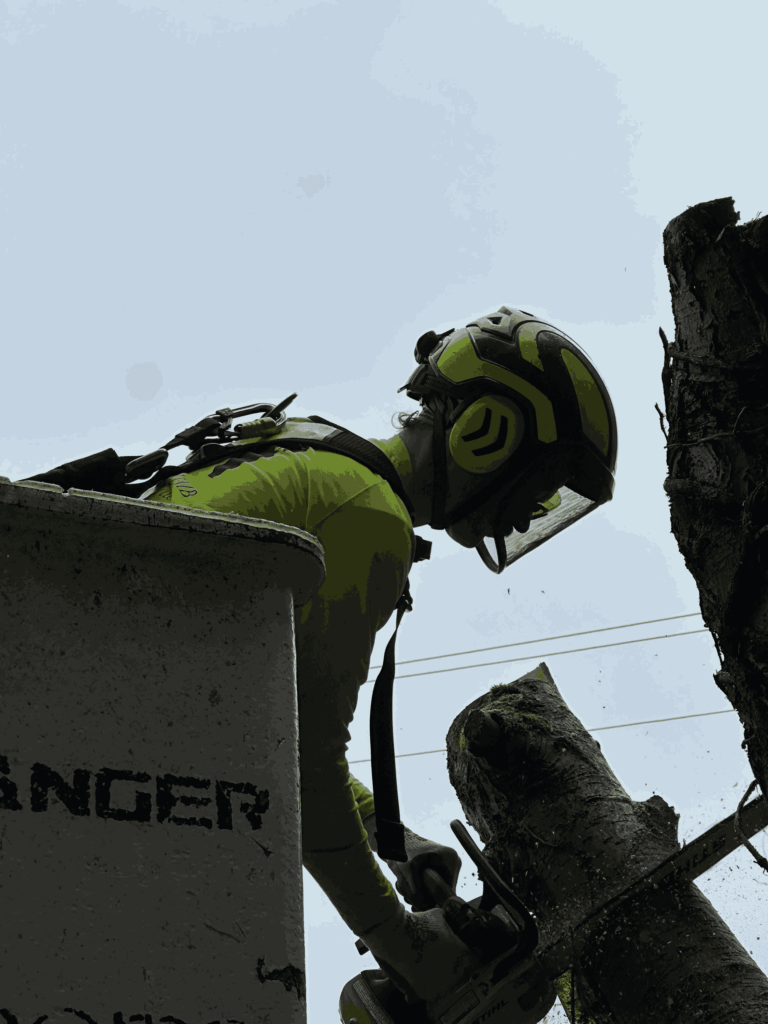
Tree work, especially fallen trees, require well-trained arborists who are able to look for unexpected hazards or new risks associated with post-storm work.
A full crew of 3-4 people, combined with a chip truck & chipper to deal with debris, ends up costing a meaningful amount of money upfront.
And then there is significant back-end work around training, safety programs, and equipment maintenance that you don’t see during your job, but has a meaningful impact on your job going smoothly.
Main Cost-Determining Factors
Removal of a fallen tree is not only determined by the size of the tree. The ease of access, equipment and condition are key factors that will decide the level of complexity and time that will be used during the execution of the job.
The five key factors, which determine pricing and what the homeowners can reasonably expect to pay, are broken down in the table below.
| Factor | Details & Description | Examples / Notes |
| Tree Size | Tree size is the single biggest cost driver. Larger trees require more time, labour, and disposal. | As trees increase in trunk diameter, the total amount of debris increases exponentially. For example, a 6 inch diameter tree that is 30 feet tall consists of roughly 7.5 cubic feet of material. A 12 inch diameter tree that is 60 feet tall (so twice as thick and twice as tall) contains roughly 60 cubic feet of material! So even though the tree only appears to be roughly twice as large, it actually has 8x the material to deal with. |
| Location & Accessibility | How easy it is to reach the tree affects labour and equipment setup. Tight or obstructed spaces cost more. | • Easy yard & driveway access: baseline Potential complicating factors (which increase time & cost) include: • Proximity to buildings, requiring more careful rigging and smaller cuts. • Proximity to power lines, requiring advanced electrical awareness training. • Steep terrain or distance from driveway, making it harder & slower to remove debris. |
| Tree Condition | Diseased, rotted, or partially fallen trees increase removal complexity and hazard level. | • Diseased/rotted wood: adds unpredictability • Partially fallen: For special rigging |
| Equipment Requirements | Heavier equipment raises the overall cost but is often necessary for safety or large trees. | • Basic chainsaw & chipping work: Standard rates • Requirement of a bucket truck or crane rental: Adds hourly or daily costs • Requirement of large wood disposal equipment, including skid steers and/or dump trailers: Adds hourly or daily costs |
| Debris Handling | The cost of cleaning, hauling, and processing leftover branches or logs. | • On-site chipping & hauling of small debris: Generally included in standard pricing • Hauling away of larger wood debris: Adds on costs of wood disposal at transfer stations |
Even within the same neighbourhood, these variables can change a quote by several hundred dollars. Understanding what drives the price helps homeowners budget accurately and spot when a quote is fair or when it’s inflated.
When Pricing Is Higher – Special Circumstances
Emergency calls, structural damage, or power line entanglement all drive prices up.
Emergency Services (25-100% Premium)
- Same-Day: Depends on existing schedule
- After-Hours/Weekend: Requires paying OT or double OT, depends on crew availability
- Holidays: Requires paying OT or double OT, depends on crew availability
Structure Damage (Project Dependent)
- Tree On Roof: Requires precision removal, very slow rigging set up to minimize further damage
- Tree on vehicle or deck: Same issue, requires a way to lift the wood off the structure with complex rigging systems
What’s Included in the Price vs Hidden Costs
A standard quote rarely tells the whole story. Understanding inclusions prevents surprises later.
Included in Standard Quote
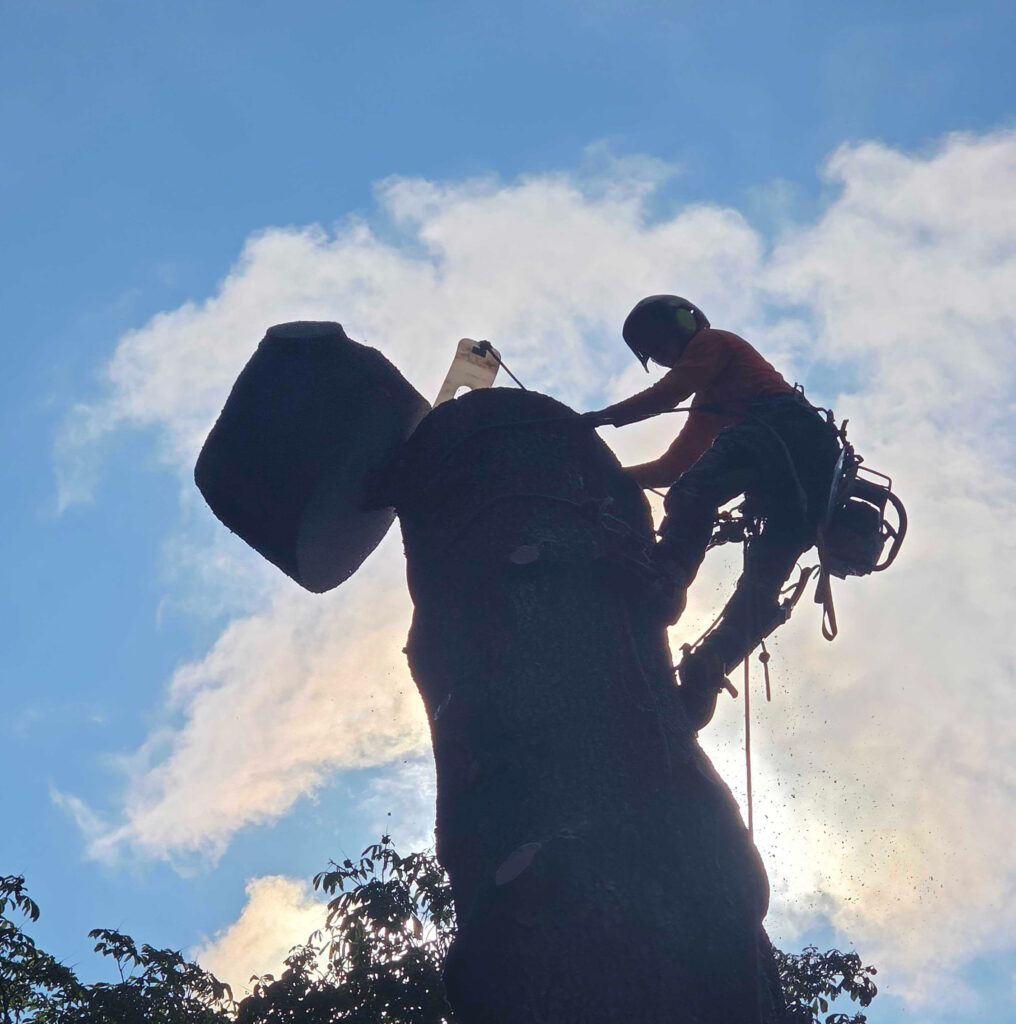
- Professional removal and cutting
- On-site chipping
- Cleanup of the immediate work area
- Small debris that can be chipped up will be chipped up & removed on day of job
Not Included (Typical Extras)
- Stump Grinding: Price depends on access & size of stump
- Large Wood Disposal: Price depends on quantity of wood
- Permits: Price depends on city requirements & filing fees
Money-Saving Strategies – How to Reduce Costs
You are going to save hundreds of dollars on the final bill by being a smart planner. The most significant difference lies in strategic timing and bundled services when it comes to keeping costs down.
Seasonal Savings
The industry’s off-season is winter, roughly December through March. Crews are slower and more available, so you will generally get your best pricing & turnaround time in these month
Bundle Services
Each mobilization of a crew has a base cost to it, so the more work you get bundled in one job, the more efficient your pricing will be as the crew travel expense will be reduced.
DIY Preparation
Help the crew in advance by removing obstacles to make their path from the tree to the front drive as easy as possible. That will reduce the time & difficulty of the work, which will translate into savings for you.
Get Multiple Bids
It’s always worth getting more than one quote if you’re not in a rush. When comparing quotes, make sure to carefully read each scope to confirm what is & isn’t included. At Blooma, we try to make that super clear to our clients. We’re usually not the cheapest quote, but we strive to send out best-in-class crews who prioritize quality, safety, and customer service.
Final Takeaway From KD
On average, the cost of removing a fallen tree in 2026 can range from a few hundred dollars to several thousand dollars, depending on a variety of factors like size, location, and accessibility.
Getting a couple quotes, booking during the off-season, and combining with other work could help you save money.
Be it a simple cleaning job or a huge oak lying in your driveway, start simple: find a professional ISA-Certified Arborist to take a look. Most will come out for a complimentary consult to get the ball rolling.