
Do you find sticky droplets on the maple leaves falling upon automobiles, a black coating on the leaves, or short growth that bends in and dies off? Those are signs of aphids.
They are annoying but healthy trees rarely succumb to them. Aphids are usually indirectly noticed by those who live in Seattle: honeydew on car hoods and patios, a soot-black mould on the leaves and twisted new buds. These are typical defects of the most widespread tree pest in the Pacific Northwest.
- The good news: aphids may be managed with the correct timing and approaches.
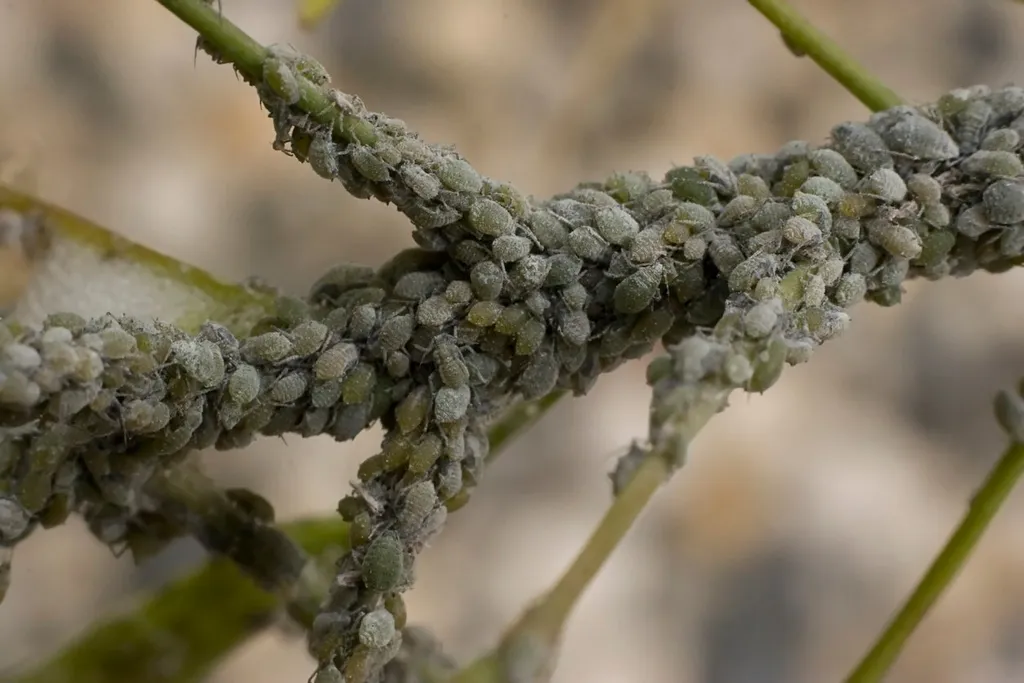
A close-up of aphids clustered on a plant stem, feeding on sap and weakening new growth.
Why Aphids Thrive in Seattle
Aphids thrive in Seattle because the city has a moderate climate, which does not give the pests a chance to die in winter as it does in other cities. The prolonged growing period, say, between March and October, gives Aphids several months to multiply. City trees continue to generate new growth, which aphids attack, and warm spring conditions can increase their reproduction rate, enabling small colonies to grow fast.
What This Guide Covers
This is a tutorial on identifying aphids in trees, their damage and how to control them using simple DIY methods. It also talks about when to seek professional help, preventive measures and a seasonal calendar to be used so that you do not do it when it is the wrong time.
Identifying Aphids on Trees
What Aphids Look Like
- Aphids are small creatures with a length of 1/16 to 1/8 inch, approximately the size of a pin. Their colors vary; they could be green, black, brown, grey, yellow, or pink. They are tender and have the shape of a pear.
They have a long antennae and two short tube-like structures at the back termed as cornices that look like little pipes of exhaust. The majority of them are wingless with a few developing wings when there has been a high population or alterations of conditions.
Where to Find Them on Trees
New growth is more preferred by aphids as it is easy to feed on. Juvenile tenders of checks, young leaves, and terminal buds and the ends of the branches, particularly the underside of the leaf where they are shielded against rain and sun. Their habitat is in groups and you will find that you get clusters of them instead of individuals.
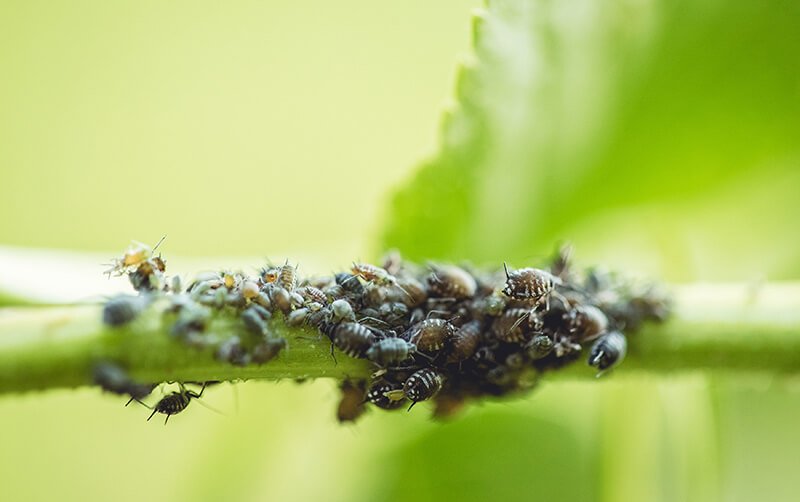
An aphid infestation crowds a tender plant stem, draining sap and stunting healthy growth.
Common Aphid Species on Seattle Trees
The specimen is usually determined by the kind of tree. Several maple species accommodate the Norway maple aphid and painted maple aphid. Birch has the power to host the European birch aphid and the common birch aphid.
Cherry and plum are the attraction of the black cherry aphid. The woolly apple aphid and the rosy apple aphid may attack apple and crabapple. The linden aphid can be seen in linden trees and the giant oak aphid can be seen in oaks.
Signs of Aphid Infestation
Aphids have definite indirect traces. Sticky honeydew forms a glossy surface on the leaves and drops upon the cars, patios, sidewalks and furniture underneath.
The honeydew develops a black mold -sooty mold. New leaves can be curled, twisted, puckered, or stunted and others can be yellowed as a result of feeding.
Another indication is the ants; ants take care of aphids in order to get honeydew, and thus when ants are thick on trunks and branches, there are usually colonies overhead.
Do not Confuse With Other Insects
The scale insects are typically hard-shelled or waxy compared to the soft, mobile aphids. The whiteflies take flight and are winged. The psyllids are jumpers with a distinct body shape and motion. Proper identification is important since control methods are different.
How Aphids Damage Trees
Feeding Mechanism
Aphids lodge in the tree with needle-like mouth parts known as stylets and pierce the plant tissue into the phloem (sugar moving system of the tree) and suck sap. They attack in large groups in one branch, and so hundreds of them can attack a single branch and concentrate the destruction on the youngest shoots.
Direct Damage
There will be deformed, stunted growth, curled, and yellowing leaves. Trees can lose their leaves prematurely and recurrent attacks can make them less vigorous and slow. Aphids in the majority of cases do not cause the demise of healthy trees; they are an aesthetic and nuisance pest, yet they can cause stress on weakened trees when the infestation is large.
Secondary Damage: Honeydew and Sooty Mold
Aphids release this superfluous sugar in the form of honeydew that covers leaves and branches and falls on all that is below.
Honeydew is the attraction of ants, wasps and flies. It is then covered with sooty mould which creates a black film that inhibits photosynthesis and blocks sunlight.
The outcome is a hideous mess on vehicles, patio furniture, patios, and sidewalks, and poor performance of trees in cases where the coating is thick.
Lifecycle and Population Explosions
Aphids multiply at a very high speed. A new generation may manifest itself in warm conditions every 7-10 days. The aphids reproduce asexually in the growing season with no egg stage. Women may be born pregnant, which means that their reproduction begins right now. This is the reason why one aphid may multiply into thousands in weeks.
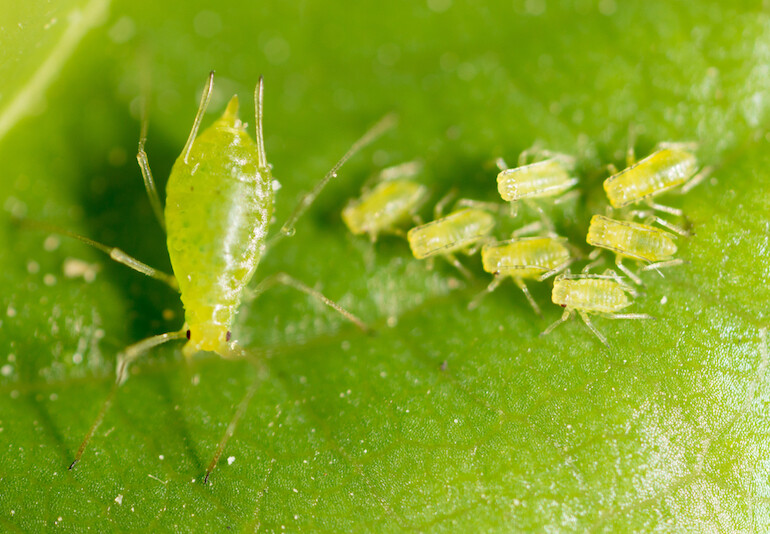
A close-up of aphids feeding on a leaf surface, reproducing rapidly and weakening plant tissue.
DIY Control Methods for Trees
DIY control is possible, although it needs to be realistic for trees. The height, coverage, and time matter. The safest options should also be used initially and methods can be mixed later whilst preserving helpful insects.
A. Water Spray Method
- A blast of water beats the aphids off the leaves and branches. Some are so tender-bodied that they cannot climb back once they are down.
- This procedure is environmentally friendly and it does not require any chemicals. Spray the underside of the leaves with a high-pressure hose that is of high power.
- Use every 2-3 days approximately in two weeks. It is better in the morning so the leaves dry in the day, and the fungus is reduced.
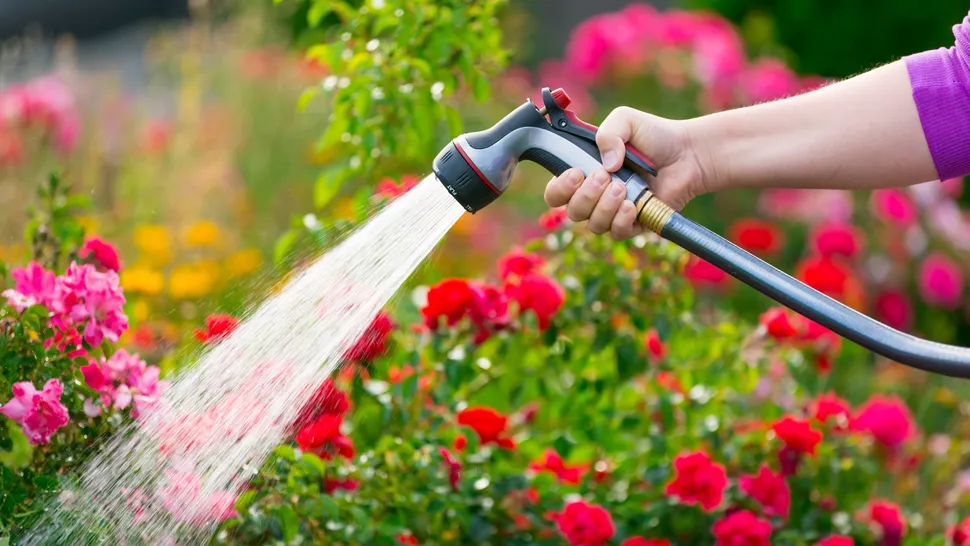
A gentle stream of water rinses plants, helping dislodge aphids and keep foliage healthy.
- Limitations matter. It also only works on branches that are reachable, not suitable for tall trees, that is, above approximately 20 feet, and is not permanent since it fails to prevent reinfestation by nearby trees and winged aphids.
B. Insecticidal Soap
Insecticidal soap involves the use of a solution of potassium salts of fatty acids to break the protective coating of an insect and kill it on contact. It must hit aphids directly.
Apply a ready-to-use spray or a concentrate of such brands as Safer Brand or Garden Safe. Apply thoroughly on the infested places, particularly the lower part of the leaves where aphids are depositing. Reapply after every 4-7 days since it does not have a residual effect.
Use in the morning or evening and do not expose the leaves to hot sunlight, as this will burn the leaves. In case of trees, the soap is best on small ornamentals less than 12 ft, where you can reach and touch foliage. Large trees are hard to cover since they require a series of applications.
C. Neem Oil
Neem oil interferes with the feeding of aphids and their reproduction. Depending on the systemic uptake, it can be longer acting than soap. Dilute according to label usually 2-4 tablespoons per gallon. A lot of individuals apply drops of dish soap to be used as a spreader to enhance coverage. Apply every 7 to 14 days.
Use in the evening to guard bees, as neem may be damaging to pollinators when wet. Overuse or over-spraying of neem may also affect useful insects. It has superior coverage on residuals compared to soap, yet tall canopies create a problem with coverage.
D. Horticultural Oil
The oils of horticultural crops suffocate insects and eggs. The dormant oil is a preventive, used overwintering eggs in late-winter. Summer oil is a light formula used during the growing season.
Dormant oil is particularly effective in Seattle where it is sprayed in February to March and it may even reach higher branches using the right sprayer.
Adhere to temperature instructions. It should not be applied during freezing or otherwise hot weather which increases the risk of injuries. Horticultural oil when used properly is among the most convenient preventive chemicals against aphid eggs and other overwintering pests.
E. Encouraging Beneficial Insects
- This is the most suitable long-term plan since Seattle promotes good natural predators of aphids. Some useful insects are; ladybugs (adults feed on at least 50 aphids per day, larvae even more), lacewings (larvae are voracious), syrphid flies (larvae consume hundreds of aphids) and parasitic wasps which deposit eggs in aphids, thus natural control.
Don’t use general-purpose pesticides that kill predators. Attract them with plant yarrow, alyssum, dill and fennel. Accept low numbers of aphids as a food crop, and also make sure that there are superficial water supplies such as pebble-covered dishes.
A reality check helps. Positively acting populations build up slowly and might not prevent the initial spring outbreak. They are most effective when used together with other means in a combined strategy.
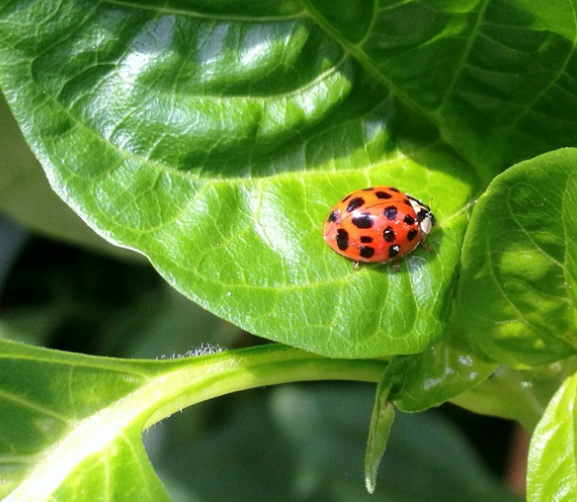
A ladybug rests on a leaf, a natural predator helping control aphid populations in the garden.
Professional Treatment Options
When to Call an ISA Certified Arborist
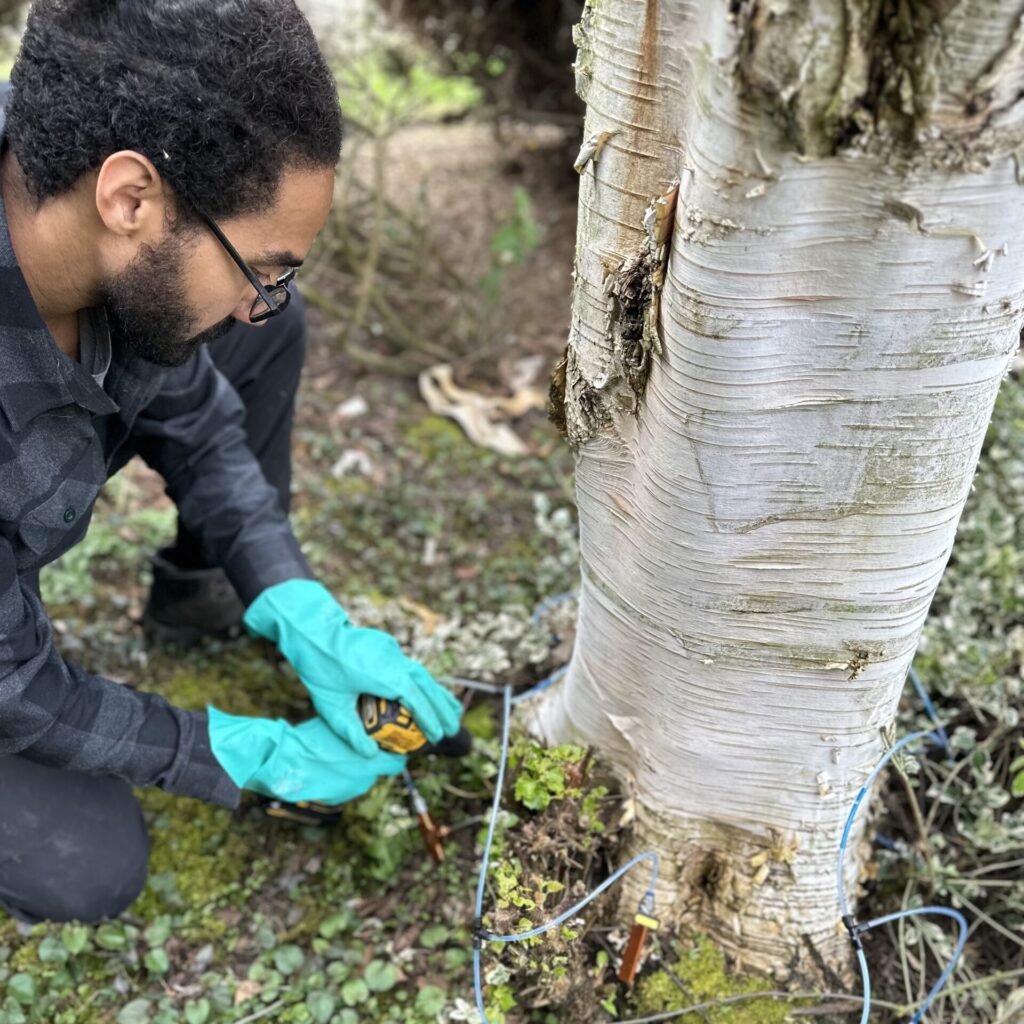
It is reasonable that large trees of 25ft or more, which cannot be reached by DIY, are helped by professionals. Call if infestations stay severe despite home efforts, if multiple trees are affected, if you have valuable specimen trees, or if trees show stress or decline.
Professional Treatment Methods
Systemic Insecticides
Large trees are normally treated with systemic treatments. Arborists can apply a soil drench or inject the trunk with some products (imidacloprid or dinotefuran). The chemical is absorbed by the tree and aphids are poisoned when they feed. The seasonal protection can be done in one application, particularly when it is done during the early spring before buds break.
High Volume Foliar Spray
The equipment can be used to reach high branches and cover the undersides of the leaves to spray the entire canopy with professionals. There are several applications that are required during the season, depending on monitoring and pressure of infestation.
Integrated Pest Management Programs
In Integrated Pest Management, monitoring, prevention and targeted treatment are only integrated where necessary. It provides the most effective long-term control relying on multitools rather than on a single tool.
Prevention Strategies
Healthy trees are not targets for aphids, whereas stressed trees are exposed. Limit the use of nitrogen fertilizers since they produce soft growth which aphids prefer. Use water effectively since drought pressure makes one more vulnerable.
Apply dormant oil during the months of February to March to minimize the populations of overwintering. The promotion of positive insect habitat and prevention of general-purpose pesticides are recommended. Keep an eye during early spring and treat when colonies are small since it is much easier to treat a small outbreak of colonies than when it is a full canopy.
Seattle Seasonal Aphid Calendar
February to March
Apply dormant oil for prevention and inspect trees for overwintering eggs.
April to May
Peak aphid emergence. Keep a check of new development on a weekly basis and initiate a therapy treatment as soon as colonies, honeydew or leaf curl is detected.
June to August
One must keep on observing and administering. Positive insects are in action and reducing the treatment in cases where predators are dealing with aphids, and the tree is in good health.
September to October
Population trends are normally decreasing. Sexual forms come into place and place overwintering eggs, establishing the pressure of the next season.
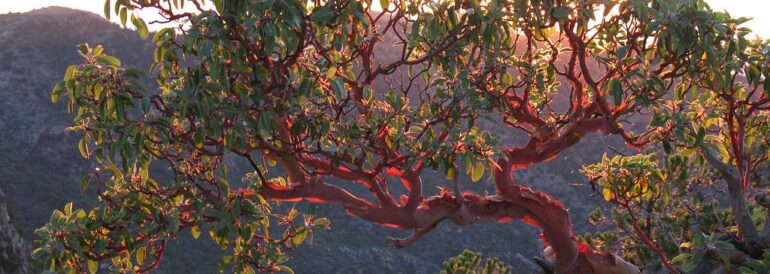
A Pacific madrone’s twisting branches glow in warm light, showcasing its distinctive bark and evergreen foliage.
Conclusion From Allen Tate
Aphids are prevalent in Seattle and can be controlled. Their proper identification, early action, and an integrated initiative, involving both monitoring and prevention, with specific treatment, should be used. DIY techniques are appropriate for small trees and accessible branches whereas large trees might be covered with expensive tools to ensure safe and successful work. Blooma Tree Experts will be able to offer tree health services and aphid management service to secure your landscape and minimize the mess of honeydew. Contact Blooma Tree Experts at your preferred phone number or email to schedule an assessment.