Autumn comes to the Pacific Northwest with the cool and crisp air, and the shortening of the days, and the colors of the falling leaves and the promise of the silent ancestors of winter
Although this is a lovely season, it is also the season when homeowners begin clearing their trees to prepare them against the cold. Some of the key tips in tree health care that will be discussed in this blog will assist in ensuring your trees are healthy and strong until autumn and winter.
We will take you through the usual changes in trees, and also provide some tips on how you should treat your trees in this transition period, starting with the management of leaf litter, up to the life cycle of mushrooms. You will also learn the most effective tree protection strategies when the trees are getting ready for the dormant winter season.

A panoramic view of Seattle’s skyline during the fall, with vibrant autumn colors in the foreground.
Normal Autumn Changes in Your Trees
Leaf Litter from Deciduous and Evergreen Trees
Leaf drop, especially that of the deciduous trees such as maples and oaks is one of the most salient changes in the autumn.
This is known as leaf senescence and it helps the trees to store energy during winter. Older interior needles that are shed between September and November by evergreen trees are also a natural occurrence in their cycle.
As alarming as this might be, it is a necessary process by which the tree concentrates on newer and healthier needles, which are more productive at photosynthesis.
Spotty or Discolored Leaves
During the fall season, the decomposition of the chlorophyll makes the leaves turn colorful to give them reds, yellows, and oranges. But the fungi are also prevalent in wet weather, such as leaf spot or anthracnos,e which may result in discolored or spoiled leaves.
Although a little discoloration is considered normal, excessive damage can also be a possible sign of a fungal infection. In case you see serious problems, it is possible to refer to an arborist. To control the spreading of spores and keep your trees safe, it is possible to rake and mulch around the available trees.
Mushroom Activity Around Your Property
Mushrooms are usually seasonal in autumn and mostly found in lawns and soil. The majority of mushrooms are useful and are important in nutrient recycling and in mycorrhizal associations with tree roots.
But the mushrooms which grow on tree trunks or roots may indicate decay, because they feed on the tree or root-wood.
When you notice mushrooms on your tree, then you should have the tree evaluated to determine whether or not it could be infected with root rot and or wood decay. The mushrooms in the lawn are however, the general indicator of a healthy soil and a healthy ecosystem.
Professional Tree Healthcare During Dormancy
Dormant Season Tree Healthcare Services
It is also necessary to provide the appropriate treatments to your trees during a dormant season (which usually is a 4-6 week winter break), because they have less energy reserves and are not likely to be disturbed by the process of growing. This is why it is the most appropriate moment to administer some healthcare treatments.
One of the primary treatments at this period is to improve soil microbiome. Use of humic acid, mycorrhizae, and useful bacteria aids in enhancing the health of soil and increasing the functionality of roots. These treatments raise the amount of nutrient uptake and overall root strength in anticipation of the next growing season in the trees.
Dormancy is also another important time to treat with root rot. Biological fungicides are the best as they attack such pathogens as Phytophthora, Verticillium, and Armillaria when trees are dormant. These fungi may also attack tree roots and when treated in the dormant period, the root rot will not spread amongst them and the health of the tree will not be affected as the tree gets ready to start springing.
Another important treatment is the dormant oil applications. These oils are also used in the control of insects, in this case, the eggs and larvae, and also in the smothering of the fungal spores, which can be harmful to the tree. When the trees are dormant, it is advisable to apply these oils and this will be more effective.
This is the best time to enroll in our Tree Healthcare Plan in which your trees will be well taken care of in their dormant period.
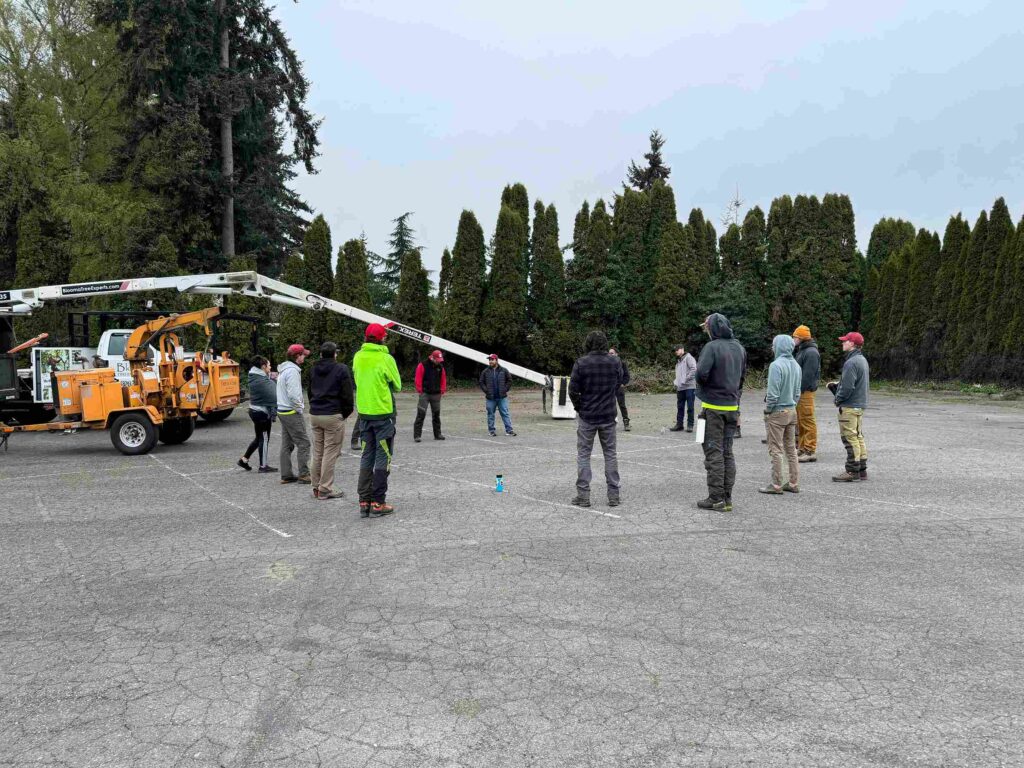
Bloomatree team conducting a safety meeting before starting their tree care operations.
Essential Autumn/Winter Tree Care Tasks
Critical Fall & Winter Tree Care Checklist for Seattle Homeowners
It is important to properly take care of your trees through proper treatment during the autumn and winter in order to maintain their health and their lives. The checklist will represent you through crucial activities that will make sure that your trees are properly taken care of during these cooler seasons.
Apply Proper Mulch Layer
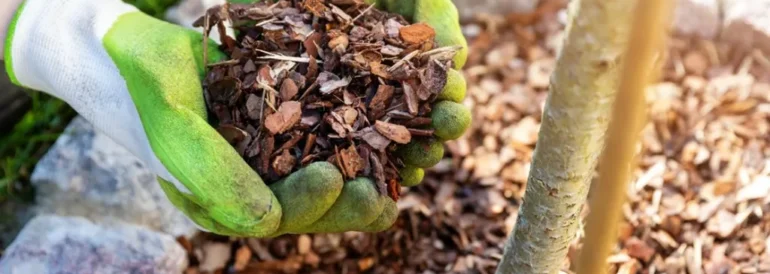
The application of a proper layer of mulch on the trees in colder months is one of the most significant jobs that your trees should be engaged in. Mulch of 2-3 inches around the trees you have would help in keeping the soil moist, regulating temperatures, and making the soil healthier, as the soil would never be frozen.
Wood chips are an ideal mulch material as they break down over the period of time, which provides organic matter to the soil.
Nonetheless, it is crucial not to overuse such a technique as volcano mulching when it is observed as a method of placing mulch on the trunk of a tree. This is able to trap moisture, promote rot and even destroy the bark of the tree.
Mulch with the dropping of the leaves, usually between October and November so that you can prepare your trees to make them winter-ready.
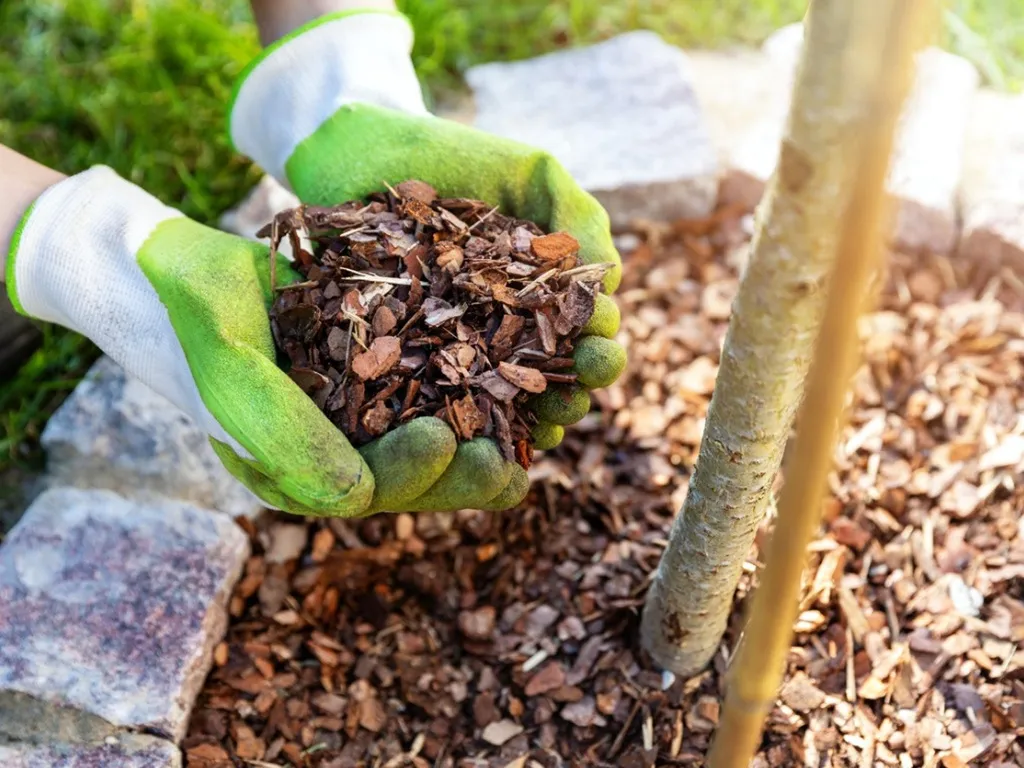
Applying mulch around a young tree to enhance growth and moisture retention.
Manage Diseased Leaf Litter
Fallen leaves of your trees must be well handled. Although some of the litter in the leaf can be left on the floor since it acts as a nutrient in the soil, the diseased leaves are supposed to be removed. To detect sick leaves, examine them for irregular spots, premature brown color, or black edges.
- This can either be an indication of fungi or pests. These leaves should not be composted as this will infect other plants. Disposal should be done properly through bagging and disposal of the same via a local yard waste program.
Healthy litter, however, may remain on the ground, and this has the added advantage of keeping the soil healthy as well as sheltering useful insects.
Schedule Dormant Season Pruning
When pruning your trees, particularly major pruning, the best period of time is in the winter of dormancy. Trees in the dormant season are not actively growing, and the pruning cuts can not disrupt the flow of the energy of the tree and the threat of the occurrence of diseases through fresh cuts is reduced to a minimum.
The best occasion that fruit trees, birches, ashes, and pines may be trimmed is now. The pruning will assist in the construction of the tree, make sure that it grows well and avoid the transmission of illness. It also promotes proper wound healing and minimizes the chances of fungus.
We are performing dormant season pruning in late January and early February 2026. You will not regret. Call us now at (206) 714-9835 or [email protected] and have us prune your tree. To learn more about our pruning services, go to our pruning services page.
Why Fall/Winter Tree Care Matters
Preparing Your Trees for Spring Success
Planting trees in the fall and in winter preconditions a productive and healthy spring. Trees save energy during the dormant period and so this is the best period to perform such treatments as root rot management, soil microbiome enhancement, and pest treatment. Through your services, you help your trees get ready to the more active seasons of the warmer weather.
Wet winters in the Pacific Northwest provide a special environment for trees. The dampness and the low temperatures provide favorable conditions where fungi grow. This puts more strain on the trees and renders them susceptible to such forest diseases as root rot and fungal infections. Covering these risks in winter through the application of dormant oils and fungal spores can be applied to your trees, hence they will come out healthier in spring.
And at Bloomatree, it is a holistic approach to care, so your trees will receive full-time and full-season care. Professional tree care will make sure that your trees are healthy, and will not only come out of the winter, but it will give you a beautiful and healthy landscape every year.
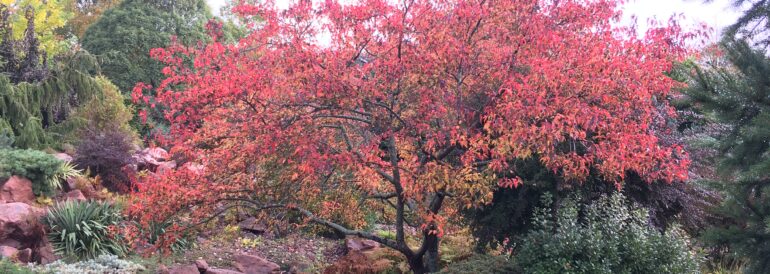
Vibrant fall foliage on a Japanese maple tree showcasing beautiful red and orange hues.
Conclusion from Allen Tate
Before we end, it should be remembered that preventative measures taken now, throughout the fall and the winter, may spell the difference between a healthy tree and one in poor health in the spring. This would include holistic care, e.g. soil treatment, pest management and proper pruning so that your trees remain robust and prepared to enter into the growth season next year.
I would like to tell you that I am grateful that you have trusted us with your tree care business. Our mission is to deliver the best service possible to you and have your trees grow all year round.
Should you need any help understanding what we can do to take care of your trees this season, or to get yourself enrolled in our Tree Healthcare Plan, then please contact us and we can consult with you. We are eager to assist you in having the healthiest trees ever.
Warm regards,
Allen, Certified Arborist
(206) 714-9835 | [email protected]