Suppose your home is up for sale. You have repainted the shutters, staged the living room and scrubbed the floors. As you gaze out the window, however, you see the large Oak tree which has been shading your yard for decades, or maybe your neighbor just took a tree like that off their property and their house looks “bare. The question that comes to mind is, do trees add value to the property, or are they simply yet another upkeep task on a buyer’s list? When it comes to an inspection, is that huge canopy an asset or a liability?
Determining which trees to plant, prune, or remove is not only about how they look, but also about what is best for them. When it comes to buying or selling a home in a competitive real estate market, such as Seattle, it’s important to understand the value of your landscape and how much it contributes to your home’s value.
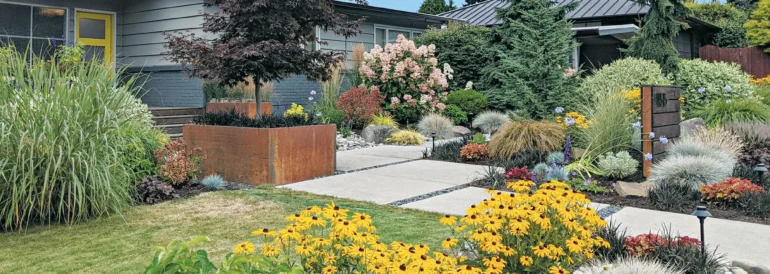
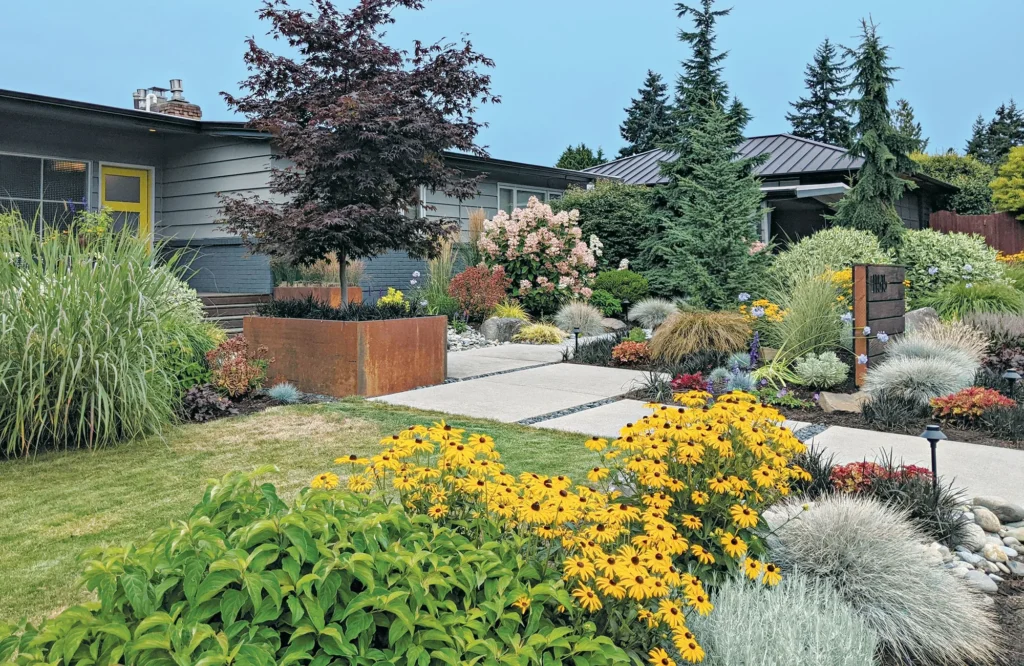
A well-landscaped home with trees in Seattle and they are grown successfully, they can add lots of value to the home and make it look appealing. (Picture credits: Courtney Olander)
Suppose your home is up for sale. You have repainted the shutters, staged the living room and scrubbed the floors. As you gaze out the window, however, you see the large Oak tree which has been shading your yard for decades, or maybe your neighbor just took a tree like that off their property and their house looks “bare. The question that comes to mind is, do trees add value to the property, or are they simply yet another upkeep task on a buyer’s list? When it comes to an inspection, is that huge canopy an asset or a liability?
Determining which trees to plant, prune, or remove is not only about how they look, but also about what is best for them. When it comes to buying or selling a home in a competitive real estate market, such as Seattle, it’s important to understand the value of your landscape and how much it contributes to your home’s value.
The Short Answer: Yes, But It Depends on the Tree
Yes, trees do make a difference in the value of a house, at least in the short term. However, it isn’t a “one size fits all” calculation. This relationship between trees and home value is complex, and contingent on four primary factors: species, health, location and maturity.
A properly placed, healthy tree provides “living infrastructure. It offers privacy, diminishes noise and makes an emotional appeal to the buyer. Conversely, a poorly cared for or incorrectly placed tree can have a negative impact. The USDA Forest Service has done extensive research on urban forestry, and found that trees are one of the few home improvements that appreciate over time. A kitchen remodel begins to lose its value the day it’s completed, while a tree increases in value with each passing year.
Recent local insights into Seattle’s tree canopy and what it means for homeowners highlight that as urban density increases, the presence of a “private forest” becomes an even rarer and more sought-after luxury. Specific formulas, including the “trunk formula method”, are even used by professional appraisers and ISA-certified arborists to put a dollar value on individual specimens according to their size, condition and functional value.
How Much Value Do Trees Actually Add? The Numbers
When we look at the data, the impact of mature trees property value is significant. There are some key studies that give a clear idea of the “green premium” in local markets, although the figures are somewhat different:
The 15% Rule: Research that is often referenced by the Arbor Day Foundation and the Council of Tree and Landscape Appraisers (CTLA) indicates that a landscape with healthy, mature trees can add a 3% to 15% value to a property. This can even be as high as 20% in high value markets.
Better Sales: Trees in the front yard or street generally sell homes quicker than similar properties on tree-free lots, according to a study from the University of Washington. These neighborhoods are viewed as good value and well established.
The “Energy” Dividend: Beyond the sale price, trees offer indirect financial value. As energy costs continue to rise, shrewd buyers are eager to save on summer cooling bills, which can be up to 30% with a well-placed shade tree.
The USDA Forest Service study, Curb Appeal, concluded that extra neighborhood tree cover near a home can contribute thousands to the selling price.
However, these numbers assume the trees are healthy. The “value” can easily become a repair credit at the closing table if the tree roots damage foundations or lead to upheaval of the sidewalks.
Which Trees Add the Most Value to Your Property?
Not all trees will yield the same return on investment. When it comes to trees for landscaping, it is important to consider aesthetics and maintenance. In the Pacific Northwest, buyers are particularly interested in trees that work well as part of the natural landscape as it does not overpower the property.
With professional tree care, your landscape will be a benefit instead of a liability to your home when it needs to be evaluated.
Tree Types and Their Property Value Impact
Tree Type
Value Impact
Best Placement
Maintenance Level
Notes for Seattle
Mature Shade Tree (Oak, Maple)
High – up to 15%
Front yard, perimeter
Moderate
Highly desirable; buyers associate with established properties.
Flowering Ornamental (Cherry, Dogwood)
Medium-High
Front yard, walkways
Low–Moderate
Strong curb appeal; best trees to plant in a Seattle backyard often include these.
Evergreen (Douglas Fir, Cedar)
Medium
Rear/side yard
Low
Native to PNW; adds privacy value but check proximity to the house.
Fruit Tree (Apple, Pear)
Low–Medium
Rear yard
High
Buyers see maintenance burden; value depends on condition.
Reduces curb appeal; restores value with professional tree pruning and trimming.
A high value tree is typically one that is structurally sound, healthy, and provides “functional beauty”, whether as a shade or privacy tree. Red Alder is a good species for soil health in the Pacific Northwest, but need to be watched as the trees get older to make sure they do not become brittle.
Does Removing a Tree Lower Your Property Value?
This is the question that keeps many sellers up at night. Does removing a tree decrease value? Like most things in arboriculture, it depends on the “why.”
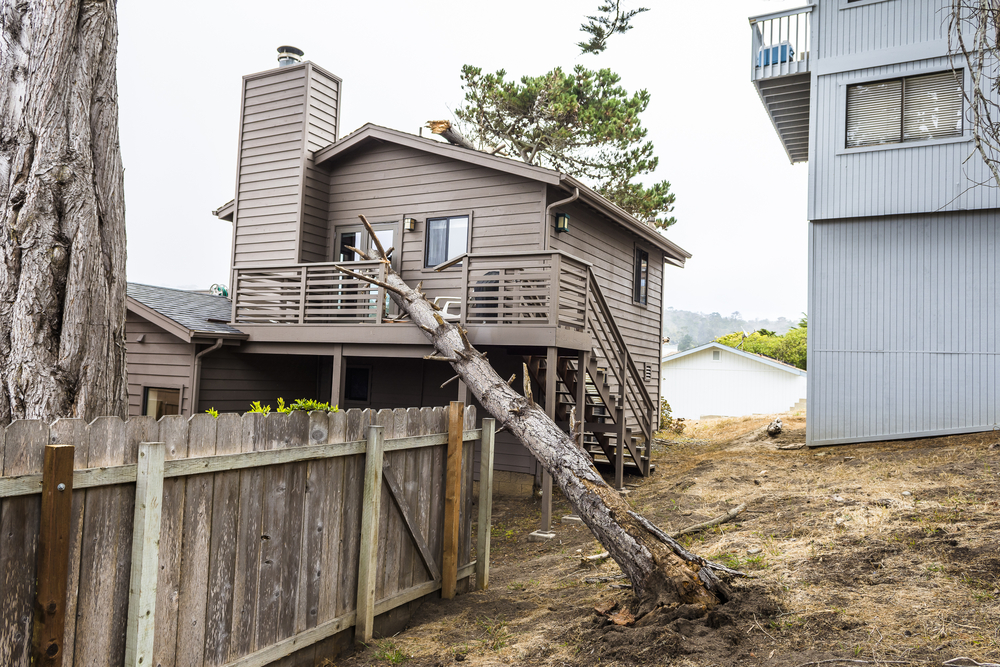
The Hazard Exception: If you are removing a dead, dying, or structurally unstable tree, you are likely increasing your home’s value. A dead tree is a liability. Buyers see a potential thousands-of-dollars expense and a safety risk. In these cases, tree removal combined with stump grinding is a proactive investment. If you’ve already suffered a loss, knowing the cost to remove a fallen tree can help you budget before the listing goes live.
The Aesthetic Loss: Removing a healthy, 50-year-old Oak from your front yard will almost certainly lower your curb appeal and, by extension, your asking price.
The Development Trade-off: Sometimes trees are removed to make way for an ADU or a home extension. In this case, the added square footage usually outweighs the loss of the tree, but it’s important to check Seattle tree work permits first to avoid heavy fines.
If you’re dealing with storm-damaged branches, prepare your trees for storm season early to avoid the “emergency removal” look that can scare off buyers.
Fact Check, Common Claims About Trees and Property Value
To provide the most accurate guidance, we’ve fact-checked the most common “real estate myths” regarding urban forestry.
CLAIM 1: “Trees can add up to 15% to a home’s value.”
VERDICT: Partially True. While 15% is the upper limit found in studies by the USDA Forest Service, the average is typically closer to 5–7%. The 15% figure usually applies to homes with exceptional, “heritage” class trees or professional-grade landscaping.
CLAIM 2: “Mature trees sell homes faster.”
VERDICT: Supported. Real estate data from sources like the University of Washington consistently shows that “curb appeal” much of which is driven by greenery, is a top factor in how quickly a home moves from “Active” to “Pending.”
CLAIM 3: “Any tree adds value.”
VERDICT: FALSE. An invasive species or a tree with signs your tree is dying can actually decrease value. Buyers often fear the liability of a failing limb.
VERDICT: FALSE. Removing a tree that is blocking a spectacular view or one that is a “hazard tree” can significantly increase buyer confidence and safety.
How To Maximize the Value Your Trees Add to Your Property
You can’t just let things happen to your investment. If you want to keep your landscape as an asset, follow these steps:
Plan for Regular Pruning: Keep the “skeletal” structure of trees. If you know the time of optimal tree pruning, you won’t end up with a top-heavy tree. Ask what the distinction is between hedge cutting and tree pruning and be sure to use the correct method.
For health Assessments: Have an arborist inspect for pests or disease prior to listing. An active program of tree and plant maintenance can prevent problems before the buyer sees them.
Hazard Mitigation: Clear away dead wood or limbs that pose a hazard. Tree cabling and bracing can preserve the tree and property value when trees have structural problems, but are otherwise healthy.
Appropriate Mulching: Cover the root area. Proper mulching is the easiest method of maintaining tree health.
Overgrown Trees: If a tree has become so big that it conceals the architecture of your home, you may want to look into crown reduction.
Don’t do harmful pruning: Do not “top” our trees. Knowing the reason behind the damage caused by spiking trees when pruning can save you from losing the health and value of your tree forever.
Watering: Be sure to water your trees in Seattle’s dry summer months.Drought stress can lead to visible decline that turns off buyers.
When to Call a Certified Arborist for a Tree Value Assessment
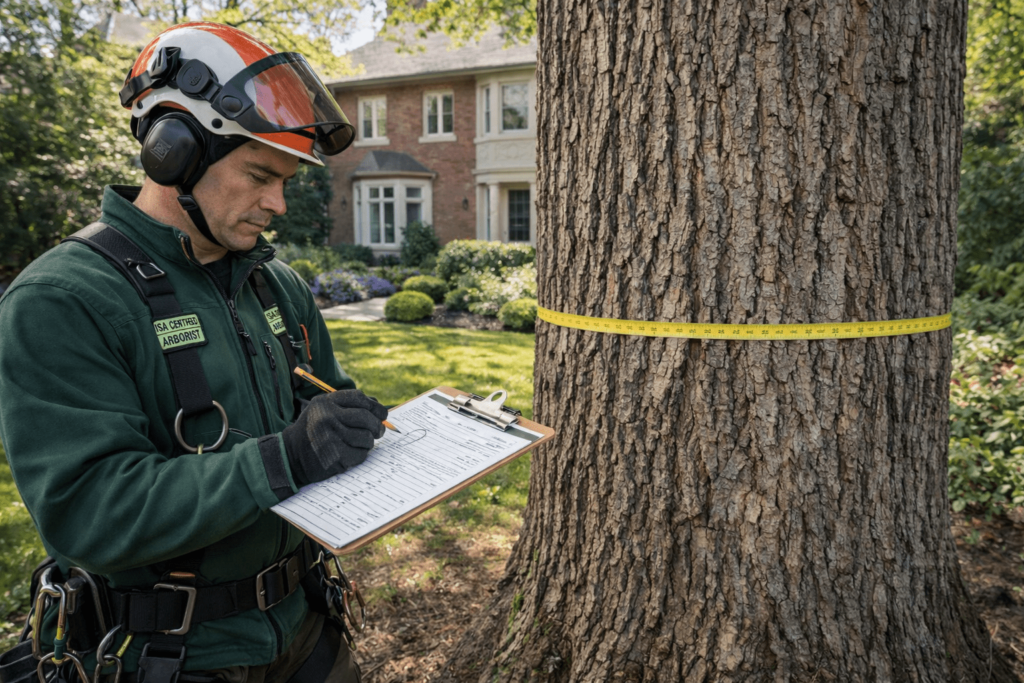
A tree appraisal isn’t just about a “gut feeling”, it’s a technical process. If you are preparing to sell, an ISA-certified arborist can provide a health report that you can share with potential buyers to prove your landscape has been meticulously maintained.
An ISA-certified arborist can provide a formal assessment to help you determine your tree’s financial value.
You should call a professional if:
You are about to list a high-end property with significant acreage.
A major storm has occurred and you need to document damage for insurance.
You are considering tree crown reduction to improve a view without losing the tree entirely.
Your trees are one of the most valuable features of your property, literally “growing” equity year after year. Whether you’re preparing to sell or just want to ensure your landscape is safe and healthy, Bloomatree’s ISA-certified arborists are here to help. We offer honest, unbiased assessments with no pressure; starting with a free on-site estimate.
Kaustubh Deo – President & ISA Certified Arborist
Blooma Tree Experts
Kaustubh Deo
ISA-Certified Arborist
KD is the President of Blooma Tree Experts and an ISA-Certified Arborist dedicated to providing exceptional tree care services throughout the Seattle area. A Redmond native with Wall Street finance experience, KD combines analytical expertise with hands-on arboricultural knowledge to deliver superior results for clients.