
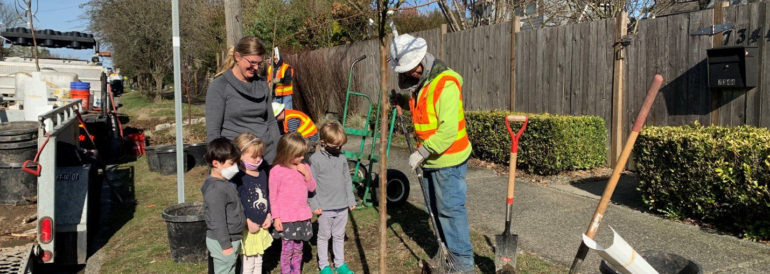
You live in Seattle and are looking at the grassy area between the sidewalk and the asphalt curb, that is the planting strip. The trees above are a source of shade during the summer, excellent fall color, gorgeous blossoms in the spring and a haven for the animals in the city. On Saturday afternoon, you pick a local plant nursery, pick out a cute little plant and dig a hole. Unfortunately, this is where many folks who are trying to be helpful get stuck with the city.
The surface of this small earth strip (also known as the parking strip, verge or tree lawn) is not yours alone. It’s public right-of-way (PRW) property that’s managed by and regulated by the Seattle Department of Transportation (SDOT). Any tree cannot be just dropped into any place. When installing underground infrastructure or ensuring public safety, a formal municipal permit is required and only species from a carefully controlled master list are allowed.
This all-in-one neighborhood guide makes the rules of the planting strip easy to understand, explains how to assess what planting area you have at street level, guides you through the SDOT permitting process, and points out the best species that are approved by the City. You can achieve this by incorporating your landscaping vision into city regulations, and make a lasting impact on Seattle’s tree canopy and why street trees matter right from your front curb.
What Is the Planting Strip, and Why Does Seattle Regulate It?
Owners of homes are responsible for the day to day care and maintenance of the parking strip next to their homes, but the land is part of the public right-of-way. This small strip is the primary path for services such as the underground water main, natural gas lines, fiber-optic data lines and overhead electric transmission lines, and can lead to extreme structural conflicts when trees are selected.
Why the Restrictions Matter
To avoid urban canopy planting that will be a detriment to our infrastructure, SDOT has a master list of approved street trees. The roots of unapproved trees with aggressive root systems can easily damage underground utilities or lift concrete panels if planted in a confined area.
In addition, the city has regulations that limit mature tree height under high voltage power lines and corner sightlines to prevent trees from obstructing traffic signs, streetlights or lines-of-sight at high traffic intersections. The City will issue code citations and require removal of the plant at your cost if it is planted without approval or if it is dug without City permission, and you will be liable to a substantial fine.
The good news is that Seattle’s master list contains a wide variety of structurally stable trees that thrive in our local climate. The key to long-term landscaping success is matching a specific, approved species to the exact physical dimensions of your sidewalk strip. Navigating these municipal codes is a core part of the local expertise we provide through our dedicated guide to understanding Seattle tree work permits.
How to Choose the Right Street Tree: Match the Tree to Your Strip
Selecting a street tree requires an objective look at the physical limits of your site. Before browsing local nursery inventories, take a measuring tape outside and map out your planting strip’s exact layout.
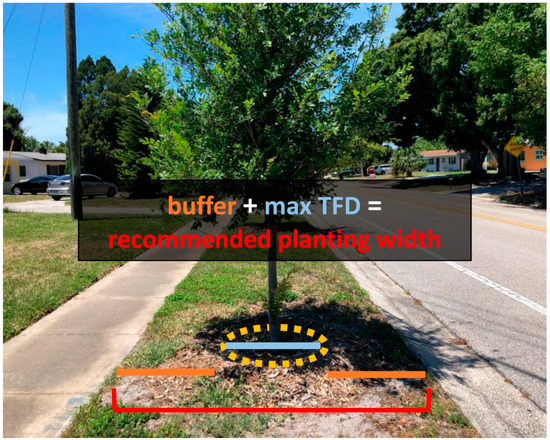
Figure 1: Measuring the exact horizontal clearance of a parking strip before applying for an SDOT permit.
1. Measure Your Planting Strip Width
SDOT categorizes approved trees based on the horizontal width of the soil strip. The easiest and most precise way to measure this distance accurately is to extend the tape from the back edge of the concrete road curb to the nearest edge of the pedestrian sidewalk:
- Small trees (1.2-1.5m tall) and non-invasive, upright trees: Narrow strips.
- Medium Strips (1.5- 1.8 m wide): For small to medium size trees.
- Wide Strip (1.8 m or more): Permitted for wide canopy shade trees and large ornamental trees.
2. Identify Overhead Power Lines
Look directly up from your planting site. If tall power lines cross the property line, only ‘small-stature’ trees can be planted that have a maximum mature height of 6–9m. Installing a larger tree in a location under a utility line requires electrical crews to engage in aggressive pruning which compromises a tree’s natural shape and health.
3. Check Local Spacing Setbacks
Seattle infrastructure codes require specific spacing cushions between any new street tree and existing urban utilities. Your chosen planting location must meet the following minimum spacing rules:
- Intersections: 9.1 meters back from any intersecting street corners to maintain clear traffic sightlines.
- Driveways and Alleys: 1.5 meters of clear space from the edge of any driveway apron.
- Utility Poles and Streetlights: 6.1 meters of clearance from light standards and power poles.
- Fire Hydrants: 1.5 meters of clear spacing from emergency water connections.
4. Evaluate Soil Conditions and Future Hardscape Interventions
Think about long-term impact of your tree’s natural growth on nearby concrete structures. If you select a species that has lots of surface root activity, then you may find yourself buckling your sidewalk in the future. Keep in mind when choosing a tree that aggressive roots can become a future problem along sidewalks, so avoid those trees to prevent repair costs and trip hazards.
SDOT-Approved Street Trees for Seattle: Top Picks by Strip Size
The table below features popular, resilient choices from the official seattle street tree list, categorized by required strip widths and utility line compatibility:
SDOT Approved Street Trees
| Verified Tree Species | Minimum Strip Width | Mature Size Category | Approved Under Power Lines? | Standout Seasonal Features | Ongoing Maintenance Profile |
| Paperbark Maple (Acer griseum) | Narrow to Medium | Small (6m – 9m) | Yes. Highly approved for utility lines. | Peeling cinnamon colored bark, deep copper red fall colors. | Very low; slow growing habit, very little pruning needed. |
| Japanese Snowbell (Styrax japonicus) | Narrow to Medium | Small (6m – 8m) | Yes. Ideal low-stature option. | Hanging bell-shaped white spring blooms; clean, compact form. | Low: needs some light structural pruning to open up pathways on sidewalks. |
| Flowering Cherry (Prunus cultivars) | Medium | Small to Medium (6m – 10m) | Cultivar dependent; verify explicitly. | Iconic, dense pink and white spring blossoms; strong curb appeal. | Moderate: Some petals and leaves are dropping and will need to be tidied up. |
| Upright European Hornbeam (Carpinus betulus ‘Fastigiata’) | Medium | Medium (8m – 12m) | No. Vertical growth will reach utility wires. | Tidy, narrow columnar shape; clean green foliage turning yellow in fall. | Low; excellent structural resistance to storm wind damage. |
| Red Sunset Maple (Acer rubrum ‘Franksred’) | Medium to Wide | Medium to Large (10m – 15m) | No. Requires full vertical clearance. | Brilliant, fiery scarlet autumn canopy; provides broad summer shade. | Low to moderate, surface roots must be monitored as it grows. |
| Black Tupelo / Sour Gum (Nyssa sylvatica) | Wide | Large (12m – 18m) | No. Requires open overhead clearance. | Outstanding multi-toned orange and red fall color; clean silhouette. | Low; deep taproot system minimizes hardscape interference. |
| Scarlet Oak (Quercus coccinea) | Wide | Large (15m – 20m+) | No. Reserved for large open spaces. | Highly dissected leaves, bright red autumn color, and long-lived shade tree. | Low; needs initial pruning to develop high branch clearance. |
| Persian Ironwood (Parrotia persica) | Medium | Small to Medium (6m – 12m) | Forms vary; choose compact cultivars. | Fall colors are golden to deep purple and peeling bark will add interest in the winter. | Growth is fairly rapid; tolerant of urban pollution and drought. |
Don’t forget to always check the live SDOT database or consult an arborist before purchasing a tree to ensure that the cultivar you wish to purchase corresponds to current SDOT regulations. Choosing varieties with rich seasonal transitions can also be paired with our guide to trees with vibrant autumn colour to maximize your curb appeal.
The Seattle Street Tree Permit: What You Need to Know
Securing a seattle street tree permit is a mandatory legal requirement before planting, heavily pruning, or removing any vegetation within the public right-of-way. Fortunately, SDOT’s urban forestry division provides these planting permits to homeowners completely free of charge to encourage residents to expand the city’s urban canopy.
How to Apply for a Street Tree Planting Permit
If you pre-plan your site information, the application process is easy:
- Site Inspection: Determine the width of this planting strip and check for all local utilities, driveways and street corners that may be within the required setbacks for your site.
- Species Selection: Select a tree from the approved SDOT master list that will work best for the size of your strip and overhead clearance.
- Submit the Application: Fill out the online Application via the Seattle Services Portal. A simple site plan sketch will be required with your property lines, sidewalk layout, utilities and your proposed planting location.
- This application will be evaluated by an SDOT urban forestry inspector who will typically visit to be sure that the tree you have chosen is appropriate for plantings in your area, and will not damage underground utilities or be a visual obstruction.
- Permit Issuance: After the permit has been approved and issued, it is safe to purchase the tree and start planting as per the city’s structural guidelines.
What Happens If You Plant Without a Permit?
There are serious economic consequences to planting trees in the ROW for which there is no official permission as well as to planting trees that may have an invasive root system. A violation of these codes could result in a code violation and a demand to take down the tree at your own cost from the City. The extra effort put into getting the right permit pays off in keeping your investment and assuring a new tree that will thrive for decades to come. If you are handling complex residential landscaping projects, you can easily review our comprehensive portal on Seattle tree work permits to keep your property fully compliant.
How to Plant and Care for a New Street Tree
Street trees have a far more difficult growing environment than trees that are planted in a large backyard. They are asphyxiated by asphalt and concrete pavement and they have to cope with the polluted environment of the city and the high reflective heat of the pavement. They require proper planting and special care to survive.
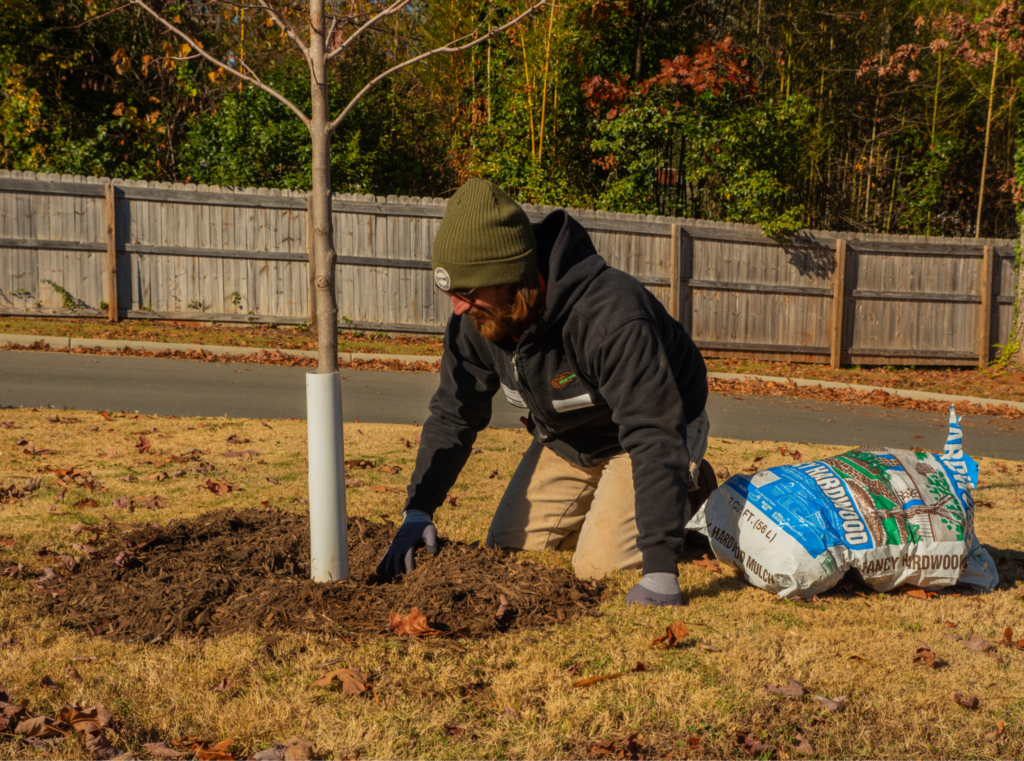
Street tree that has been planted at the proper depth and mulched with an open ring around the root flare area to protect the root flare.
When you choose to plant your tree, be sure the root flare (where the trunk becomes wider at the base of the tree) is level or slightly above the soil line. The top cause of tree failure is planting too deep, which causes the root system to suffocate.
Young trees are also very susceptible to drying out in limited soil volumes of planting strips. Moisture will be critical during the warm dry summer seasons, especially during the first two to three seasons when the root system is developing. For helpful, long-term strategies, check out our complete article on how to properly take care of a newly planted tree.
Once planted, lightly mulch with organic wood mulch around the tree. Be sure to clear mulch away from the bark 2 or 3 inches so that it is laid out in a flat circle around the trunk rather than a pile against the trunk. This layer will help to hold water and will help protect the young and sensitive bark from damage by lawn mowers and weed trimmers. Read our handy mulching guide for the best possible protection of a tree.
Your tree will also be helped by light pruning (hooked up to a central leader and pruned for wider sidewalks) during the first few years. By checking through our seasonal schedule for when the best time to trim trees is you will be able to do these early tree structure pruning safely.
Fact Check: Seattle Street Tree Myths Verified
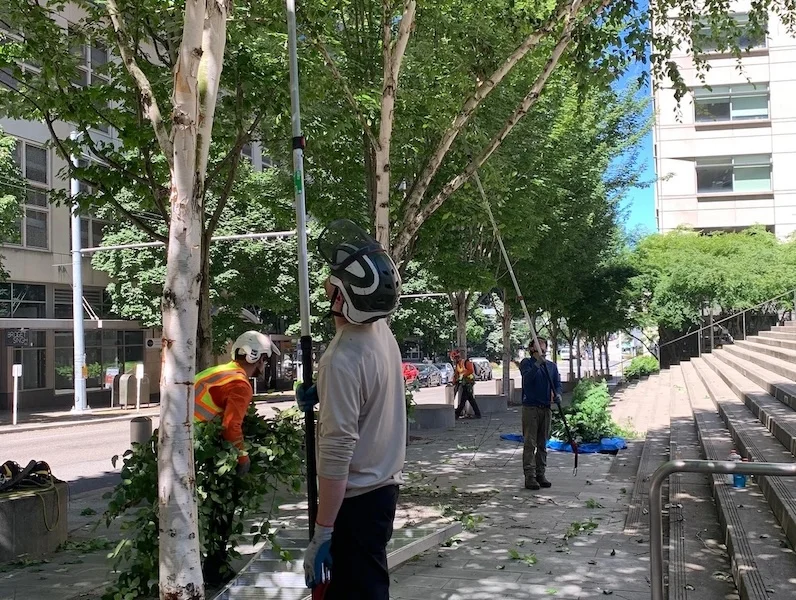
A certified arborist helping teach students about selecting a suitable SDOT approved species.
Claim 1: “The planting strip sits directly in front of my house, so I can plant whatever tree I want there.”
- Verdict: FALSE. While you are responsible for maintaining the strip, the land is public right-of-way managed by SDOT. There are City code restrictions of all street tree plantings and a permit must be obtained.
Claim 2: “If I choose a small-stature ornamental tree, I don’t need to get an official city permit.”
- Verdict: FALSE. Any tree planted in the right of way, no matter its size, must be on an approved street tree planting permit for Seattle. This will ensure that there will be no interference with underground utilities and important sightlines will not be blocked.
Claim 3: “Fast-growing shade trees are always the best choice to improve curb appeal.”
- Verdict: NOT ALWAYS. Fast-growing species tend to have aggressive root systems, and poorer wood structure. In a tight planting strip, matching the tree to the size of the space is the best long-term strategy for your hardscape and canopy health. You can read more about these structural trade-offs in our guide to fast-growing trees for outdoor spaces.
Planting a Street Tree in Seattle? Let’s Get It Right.
Selecting and planting a street tree is a great investment in your “curb appeal” and the health of your neighborhood. Deciding which species to plant in your strip can be daunting when dealing with city codes, but the effort will prevent numerous headaches in the future.
At Bloomatree, our ISA-certified arborists have a deep understanding of both local tree biology and Seattle’s right-of-way regulations. We can help you select the ideal SDOT-approved tree for your parking strip, assist with the permit process, and plant your tree using professional techniques to ensure it thrives. The Tree and Plant Care Programme and tree pruning services help to maintain the health and safety of your tree canopy, across its lifetime.
Schedule your free site consultation by calling Bloomatree at 206-714-9835 or fill out the form.
Frequently Asked Questions
Do I need to obtain a permit to plant a tree in my planting strip in Seattle?
Yes. Trees planted in the street right-of-way must be under SDOT’s official street tree planting permit. It is 100% free and helps to ensure that the species you select is able to be safely used.
What happens if I plant an unapproved tree without a permit?
Planting an unapproved tree without a city permit could result in a city code violation. When the tree is discovered to interfere with underground utilities or obstruct the view of crossing streets, you may be asked to remove the tree, at your own expense. If an unapproved tree causes major hardscape damage later, it can result in the normal procedures for tree removal in order to safeguard public infrastructure.
Who owns and maintains the planting strip in Seattle?
Planting strip is public right-of-way (PRW) city property; adjacent property owner assumes legal responsibility for upkeep. This includes watering, weeding and maintaining street trees planted along the curb.
How do I know which street tree fits my specific strip?
Instead, measure exactly how far from the edge of your sidewalk to the road curb and then look up for overhead utility lines. Small-stature shade trees are suitable for narrow strips and medium or large canopy shade trees are suitable for wider strips and areas under power lines. Always refer to the official SDOT approved site layout.