
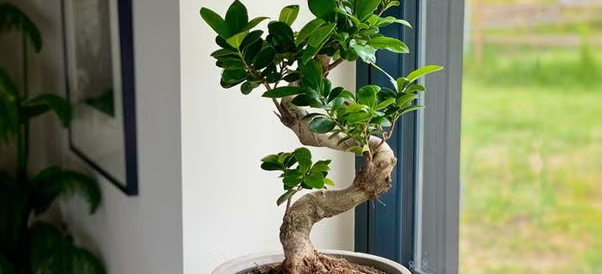
A bonsai tree is a real tree with all of its biological complexity, its changes of seasons, its structural beauty, and its elements, all packed into a small frame. However, the sad truth is for most of the new enthusiasts. Every year thousands of people get a beautiful miniature tree for either their Christmas holiday or by purchase and by month’s end the tree is shriveling. Not because bonsai trees are too difficult to grow but it’s because most bonsai cultivators grow bonsai trees as house plants rather than as a miniature representation of an ancient forest giant
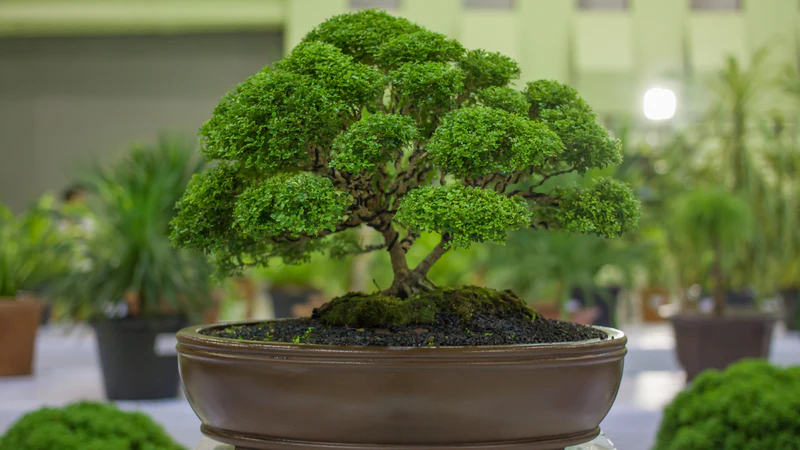
You don’t need to be a green thumb or have years of experience to know how to care for a bonsai tree. From a 30-meter Douglas Fir to a 30-centimeter Japanese Juniper, the principles of tree biology are the same at Bloomatree, and our arborists are qualified to know them. This is a complete how-to book that combines the science of professional arboriculture with the cultivation of trees as a living art to help tree lovers get their first tree to survive and motivate intermediate tree growers to become masters.
Understanding Bonsai: It’s a Tree, Not a Plant
The first step towards successful bonsai tree care is to change your thinking. Bonsai is not a plant species, it’s an art and a growing technique.
First, a bonsai is genetically identical to the tree in the wild, and as such, it shares the same physiological requirements as one of the trees in the wild. It goes through seasonal cycles, requires winter dormancy, is sensitive to the direction of light and requires a complex, aerated root ecosystem. Bonsai trees are not starved or chemically dwarfed, they are not biologically neglected, they are pruned, cut and trimmed only in the right way and with the proper intention.
The art of bonsai is a blend of two aspects: horticulture (providing the tree with structural support, color and vitality) and aesthetics (directing the trunk and branches to resemble the natural maturity of a tree). For this guide, our primary focus is horticultural excellence. A healthy tree is the mandatory canvas required before any artistic styling can begin.
Common Bonsai Styles – A Quick Visual Reference
Although the principles of care are similar for all trees, it is important to be familiar with the traditional bonsai styles so you can determine how your tree should be trained:
- Formal Upright (Chokkan): A trunk that is completely vertical and tapers regularly from the thick base to a pyramidal shape with a symmetrical top.
- Informal Upright (Moyogi): The most common form for novices, and has an ‘S’ shaped curve to the trunk, from the outside apex of the curve the branches emerge.
- Slanting (Shakan): The entire trunk is at an angle (60° – 80° from the horizontal) and indicative of a tree that has been subjected to heavy, dominant winds.
- Cascade (Kengai): Emulates trees growing at the edge of a steep rock face with sudden downward bends in the trunk which extend below the edge of the pot.
- Forest (Yose-ue): Several of the same species planted in a shallow wide tray and carefully spaced to appear as a natural woodland.
- Literati (Bunjin): An advanced style of calligraphy, with a tall, very open, twisted trunk and very little foliage at the top.
Choosing Your First Bonsai Tree: Species, Indoor vs. Outdoor, and What Beginners Should Know
The top reason beginners fail is due to choosing the wrong species for the environment in which they live. Before buying a specimen or setting up a care routine, you must understand the stark ecological division within the hobby.
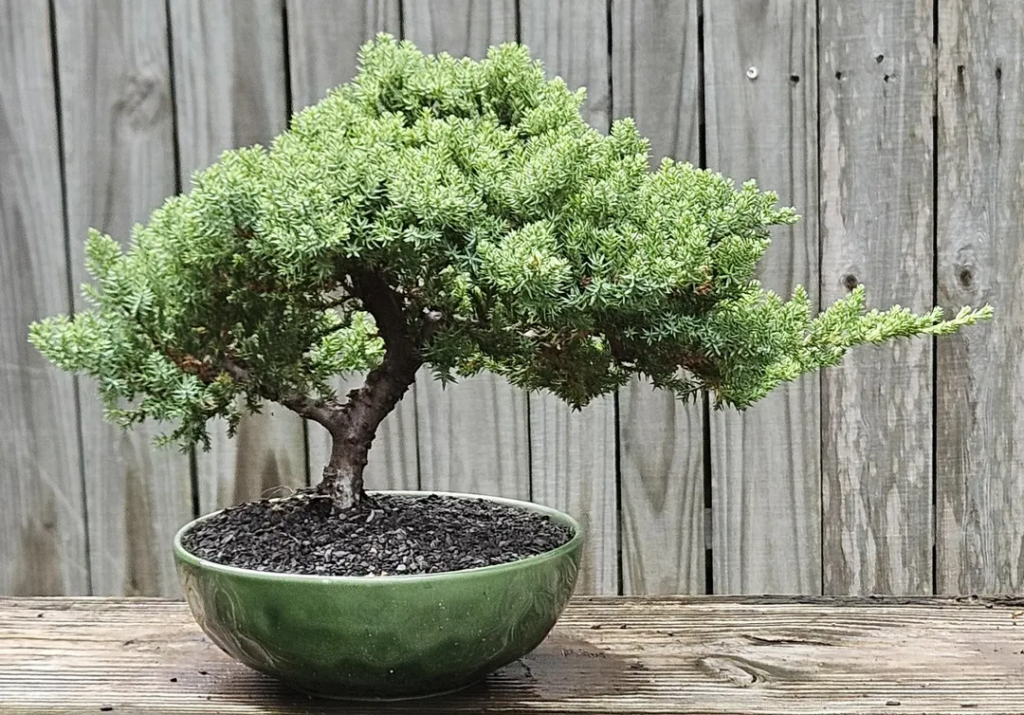
Figure 1: A classic outdoor Japanese Juniper displaying strong skeletal structure and healthy foliage.
Indoor vs. Outdoor Bonsai – The Most Important Distinction
The most common mistake is that bonsai trees are indoor trees. In fact, the majority of popular species are temperate general outdoor trees with different seasonal cycles and winter freezes that are necessary to induce the required biochemical dormancy. An outdoor plant such as Juniper or Pine will quickly use up its energy reserves and die in an enclosed controlled environment of the house.
- Indoor Bonsai: They are tropical or subtropical and native to the equatorial region. Do not tolerate frost; do best in non-chilly homes; prefer high ambient humidity. Some examples are Ficus, Jade and Fukien Tea.
- Outdoor Bonsai: These are standard temperate species. They need cold winters, intense UV light and natural exposure to the wind to survive in the long term. Examples are Japanese Maples, Junipers and Pines.
As you are deciding what bonsai tree you want, think of where you intend to put your tree and pick one that will be appropriate for the environment. For those in the Pacific Northwest, for example, it’s the mild, damp, and cloudy weather that is the exception that makes Seattle a wonderful place to spend time outdoors. Local species and imported classics like Maples thrive naturally in our maritime climate with minimal winter intervention. If you are shopping for indoor spaces or want a full-sized backyard addition, explore our insights on choosing the right tree species for small spaces.
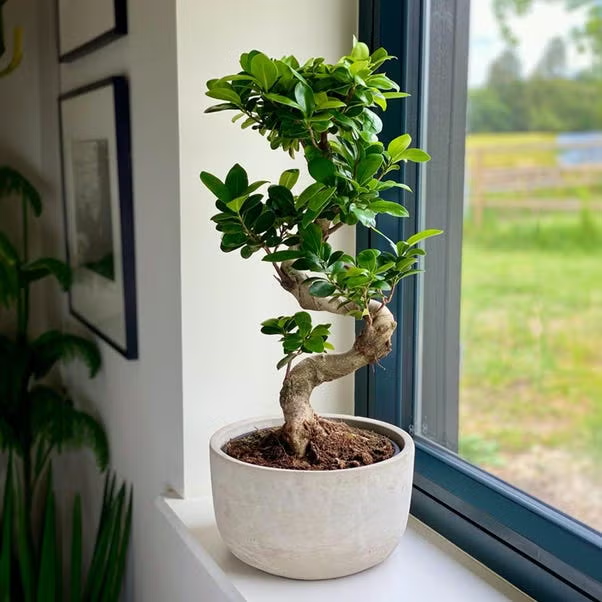
Figure 2: Tropical Ficus species placed directly in the sunniest window to get maximum indoor bonsai cultivation.
Popular Bonsai Species – Care Requirements at a Glance
| Species | Indoor or Outdoor | Difficulty | Light Requirements | Watering Strategy | Dormancy Needed? | Best For |
| Ficus (Ficus retusa) | Indoor | Beginner | Will do well in bright indirect light, lower indoor light. | Moderate, allow the top centimeter of soil to dry out completely | No | Good for first time indoor gardeners; Very tolerant of some neglect |
| Chinese Elm (Ulmus parvifolia) | Semi-Indoor / Outdoor | Beginner to Intermediate | Lots of sun outside, very bright light indoors | Keep soil moist, don’t let it dry out; keep soil regularly moist | Partial | Versatile adaptations; gorgeous small leaves |
| Jade (Crassula ovata) | Indoor | Beginner | Full sun; minimum 4 hours of direct sunlight | Infrequent, let the entire root ball dry out between waterings | No | Forgetful waterers; highly drought-tolerant succulent structure |
| Japanese Juniper | Outdoor Only | Beginner | Full sun; 4-6 hours of direct daily exposure | Regular, check daily; water when surface soil loses moisture | Yes (Cold winter) | The quintessential outdoor starter species; highly responsive |
| Japanese Maple | Outdoor Only | Intermediate | Morning sun; filtered afternoon shade in peak summer | Regular, highly moisture sensitive; hates waterlogging and drought | Yes (Full drop) | Spectacular autumn color; thrives beautifully in the PNW climate |
| Trident Maple | Outdoor Only | Intermediate | Full sun exposure | Robust, regular watering, but handles temporary dry spells | Yes (Full drop) | Vigorous growth; ideal for practicing pruning and structural division |
| Fukien Tea (Carmona) | Indoor Only | Intermediate | High indirect light; protect from cold indoor drafts | Regular, never allow the root system to sit completely dry | No | Delicate white flowers; rewarding for patient indoor hobbyists |
| Pine (Scots / Black) | Outdoor Only | Advanced | Unfiltered full sun; minimum 6 hours daily | Controlled, prefers partial drying cycles between thorough waterings | Yes (Cold winter) | Lifelong legacy projects; spectacular bark aging but highly complex |
How to Water a Bonsai Tree Correctly
Watering bonsai trees is likely one of the most crucial elements you will have to master. They have a very small margin for error because of the very shallow containers they are in and the extremely porous soil mixes.
The Golden Rule: Water the Tree, Not the Calendar
Set aside rigid schedules and plans. If you need to water your tree every Tuesday and Friday, no matter what the condition of the tree, you are destined to have a root rotoned or total tree collapse. All of these conditions vary from time to time and place to place, and thus the frequency of watering will depend on such conditions.
Instead of a calendar, use your finger. Place finger 1-2 cm into soil substrate.
- If the soil is still cool and moist, then do nothing.
- The soil should be lightly moist, as if it were crumbly and semi-dry; it is time to water.
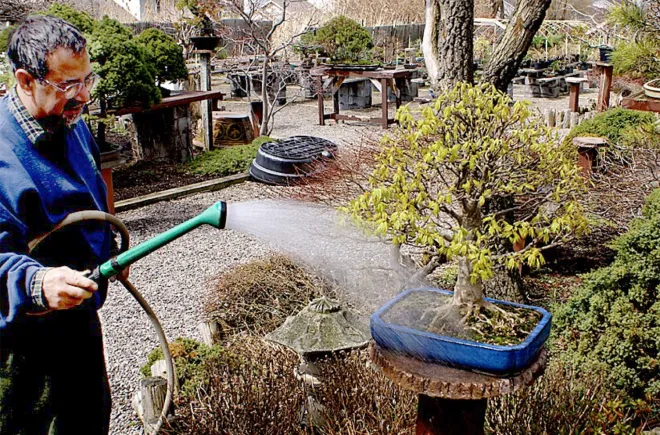
Figure 3: Evenly soaking the whole of the soil surface with a fine-spray watering can.
Proper watering should be done with a watering can and a fine rose head. Slowly and evenly bring up the soil to the surface. Continue watering until water runs out the bottom of the pot. This method will remove even the tiniest pockets of dry soil, far below the surface.
In the summer months (when it is hot and dry) the trees that are outside can need daily watering, and possibly even twice-daily watering. This may be reduced to once every few days, in autumn when growth slows down. In the “true” winter dormancy period, the moisture needs of outdoor root systems are still present, but it is not as much. Where the winter is rainy, local winter precipitation may often meet these needs and follow the basic deep watering guidelines for trees in full size landscapes.
Signs of Overwatering vs. Underwatering
| Distress Signal | Overwatering Indicators | Underwatering Indicators |
| Foliage Changes | Leaves become easily detached, yellow and soft. | Leaves shrivel, become crisp or brittle and curl inwards. |
| Soil State | Substrate is constantly waterlogged; green moss turns muddy or sour. | Soil shrinks away from the inside edges of the pot walls. |
| Root Health | Roots become black, mushy, foul smelling and are unable to absorb water. | Roots are dry, wire-like and brittle. |
Bonsai Soil, Repotting, and Root Care
Is Different from Regular Potting Mix
Professional arboriculture meets container gardening in standard potting, the soil and root dynamics of the miniature tree. A bonsai will not tolerate any ordinary potting soil that is composed of dirt or a bagged multi-purpose soil.
Why Bonsai Soil Is Different from Regular Potting Mix
Excessive water remains in the compost and it releases oxygen at a slow release rate. This lack of aeration leads to the death of the tips of fine roots, which is the first to cause anaerobiosis. The ideal bonsai soil should provide three essential architectural needs: good drainage, structure that allows water to flow, and specific water retention.
For that, the international standard is based on a mixture of inorganic particulate substrate:
- Akadama (30% – 50%): A hard baked Japanese clay particle which absorbs water well and disintegrates gradually over time.
- Pumice (25%): A highly porous volcanic stone which has air pockets, providing good ventilation for the roots.
- Lava Rock or Fine Grit (25%): Provides structure, good drainage and forces root branching into smaller root systems.
When and How to Repot a Bonsai Tree
As the tree grows the roots grow out and conform to the shape of the ceramic pot. Roots grow around the base and over time these roots become compacted into a solid mass. This condition blocks oxygen transfer and stops water absorption. Regular repotting is done to revitalize the bonsai root zone, for long-term health. Fast growing deciduous plants will require repotting every 2 years and older conifers may remain in the same pot for 3-5 years.
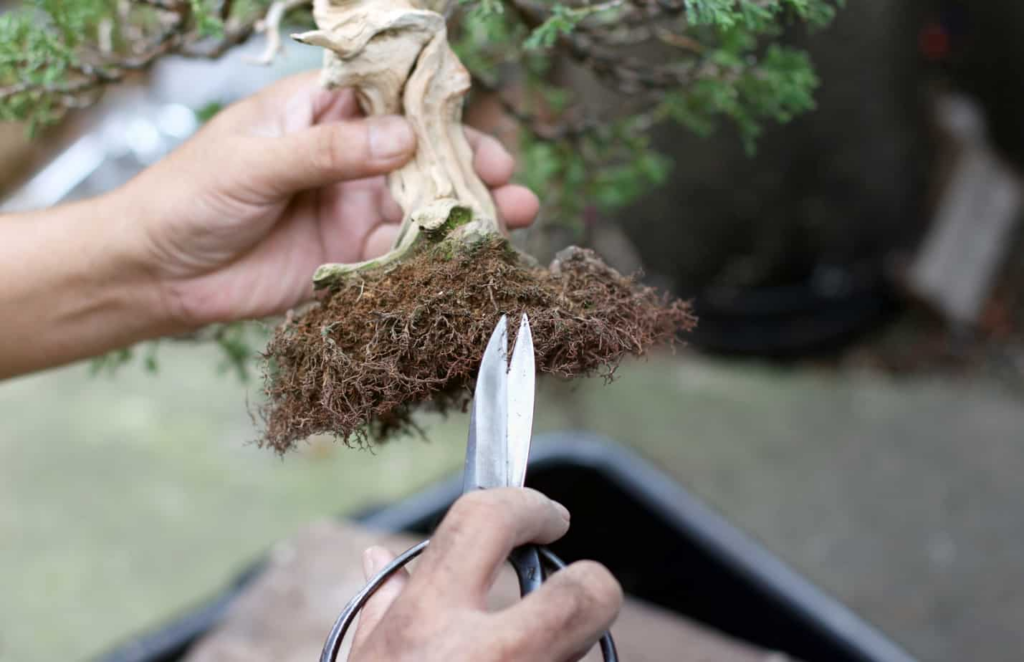
Figure 4: To encourage fine, healthy root development, the dense root mass is combed and pruned.
- Timing: In the spring when the buds are just beginning to swell. The tree is waking up and possesses peak cell division capabilities to heal its root zone rapidly.
- Extraction & Combing: Carefully extract the tree from its container. Gently loosen the edges of the root ball using a special root hook and get rid of any old and spent soil.
- Prune Back Roots: With sharp, sterile shears, cut up to 1/3 of the root system. Focus on the thick roots that grow around the pot’s base. Retain the fine, hair-like feeder roots. This matches our understanding of how tree root systems work, where fine root hair health directly dictates the vitality of the upper canopy.
- Secure the Tree: Place fine mesh screens into the drainage holes of your pot. Use anchor wires through the bottom holes, sprinkle fresh soil over the base, position the tree in place and gently stretch the anchor wires around the base of the tree to provide stability.
- Completing Substrate: Use a bamboo chopstick to fill any remaining spaces with soil mixture. Water thoroughly until the water drains, put tree in a protected and shaded location, away from direct wind for 3 to 4 weeks recovery. For a sense of how this physical reset compares to widespread landscape practices, review how newly planted trees are treated and cared for with the same kind of structural root stabilization principles, and how proper ground application demonstrates how mulching supports healthy soil and roots in nature.
How to Prune a Bonsai Tree
The main force of bonsai-growing is pruning. This is the tool which resets apical dominance, keeps scale and develops your aesthetic design. There are two types of pruning: maintenance pruning and structural pruning.
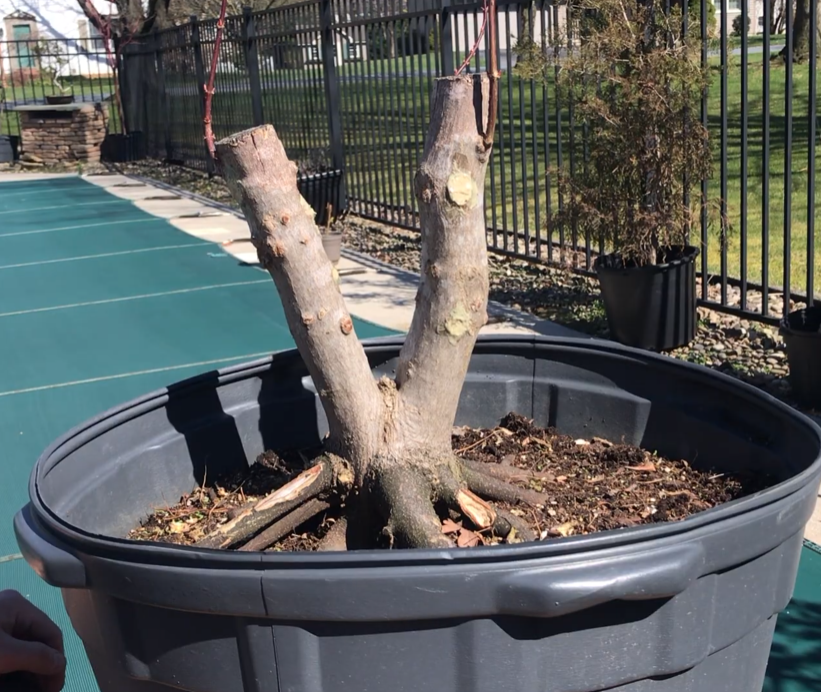
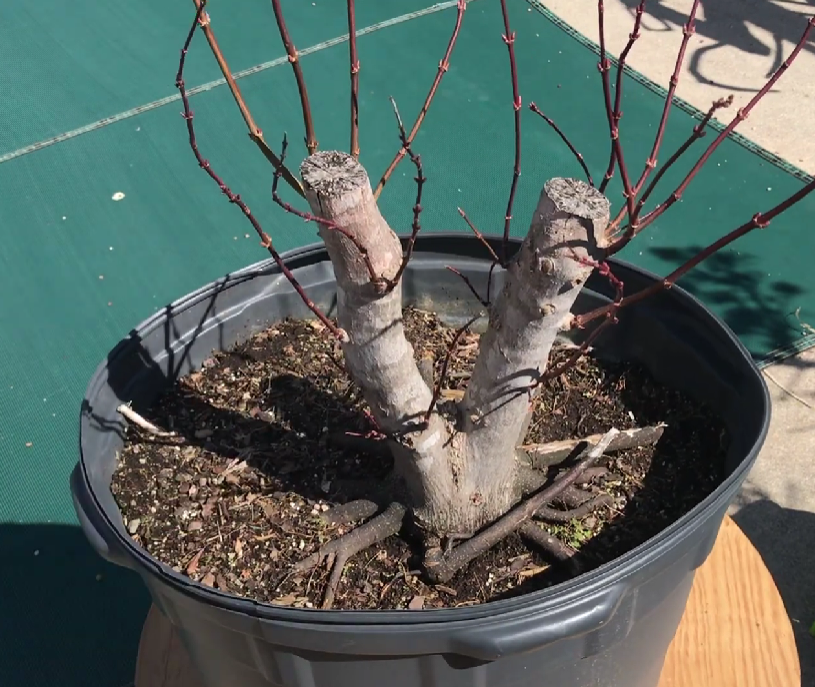
Figure 5: Structural pruning is implemented in a strategic manner and any surplus materials are eliminated in order to highlight the internal tree form.
Maintenance Pruning (Year-Round Growth Control)
Maintenance pruning keeps the tree from becoming too big or misshapen with outer shoots. Trees naturally divert energy to their highest, outermost tips (apical dominance). If left unchecked, the upper canopy will shade out lower interior branches which will die.
Check your tree often during the spring and summer. Use sharp bonsai scissors to trim back to 1 or 2 leaves once a new green shoot has developed 5 – 6 pairs. Always cut straight through, just above a leaf node in the direction you want growth to proceed. Maintaining clean tools will limit the introduction of plant pathogens.
Structural Pruning (Major Seasonal Reshaping)
Structural pruning may be used to alter or shape the basic structure of the tree by taking out large, main branches. The procedure should be done in a severe manner in late autumn or early spring when the tree is dormant. The skeletal trunkline is clearly visible when there is no thick foliage in the way.
- Remove branches that grow directly vertically or straight downward.
- Prune away one of two parallel branches growing directly opposite each other on the trunk (bar branches).
- Remove branches that cross or bore into the main trunk.
For big cuts use concave branch cutters. The special tools allow for a slightly indented hole into the tree which causes the cambium layer to curve over without a raised scar. If the cuts are large, use a generous amount of special cut paste to close the wound to prevent disease.
The core biological rules of removing wood down to a healthy lateral point mirror crown reduction and structural pruning principles used by professional arborists on mature backyard trees. If your outdoor residential canopies require structural refinement, our team offers certified professional tree pruning and crown reduction services.
Fertilizing Your Bonsai Tree
Bonsai soil consists primarily of inorganic stone and clay, and has essentially no natural nutrients. When fed together with frequent and heavy watering that leaches out minerals, your tree will totally rely on artificial feeding to survive.
For good nutrition, fertilize weekly with a balanced liquid or slow-release fertilizer with equal NPK application rates (e.g. 6-6-6 or 10-10-10) during the growing season (from spring through summer). Change to a low nitrogen, high potassium fertilizer (0-10-10) as the season progresses from late summer to fall in order to prepare the wood for winter frost.
Do not fertilize an outdoor tree in winter when it is dormant and don’t feed a tree with active signs of stress or root rot. Too much fertilization will kill root tips and stimulate excessive, artificial elongation of leaves. These fundamental guidelines are explored further in our guide on tree fertilisation principles, which details how proper soil nutrition supports outdoor landscapes via our structured Tree and Plant Care Programme.
Sunlight and Placement: Where Should Your Bonsai Live?
A tree cannot synthesize energy without sufficient light. Many people plant a bonsai tree for the look of their indoor decor.An all too common mistake is to plant a bonsai tree just because it is attractive to the interior.
- Outdoor Placements: Outdoor trees require at least 4 – 6 hours of direct sunlight per day. Bright morning sun with soft afternoon shade is ideal-east facing is best. If you are protecting delicate trees during regional cold snaps, check our guide on protecting outdoor trees through Seattle’s storm season.
- Indoor Placements: Tropical indoor species should be at least one meter away from a bright south or west facing window. Do not position trees close to heating vents, radiators or drafts (which lower the ambient humidity). Using a full-spectrum LED grow light with a 12- to 14-hour time clock in dark rooms will work.
Fact Check: Common Bonsai Myths Verified
To build a reliable foundation for your care routine, let’s clear up some common misinformation found online:
Claim 1: “Bonsai trees are naturally indoor plants.”
- Verdict: MOSTLY FALSE. Most popular trees are outdoor trees (Junipers, Maples, Pines). Forcing them indoors year-round deprives them of winter dormancy, which will kill them. However, in order to survive in the interior, you must use varieties from tropical areas.
Claim 2: “Bonsai trees are kept tiny by starving them of food and water.”
- Verdict: FALSE. A starved bonsai is simply a dying tree. Bonsai are maintained at a small size only by pruning. They are watered and fertilized regularly and are kept vibrant and growing.
Claim 3: “You must water a bonsai tree on a strict daily schedule.”
- Verdict: FALSE. Due to varying weather conditions, the rate of soil drying will vary. Moisture should be checked daily with finger and watered only when the soil starts to dry. If you see structural problems, read our article on how to recognize signs your tree is struggling.
Seasonal Bonsai Care Calendar
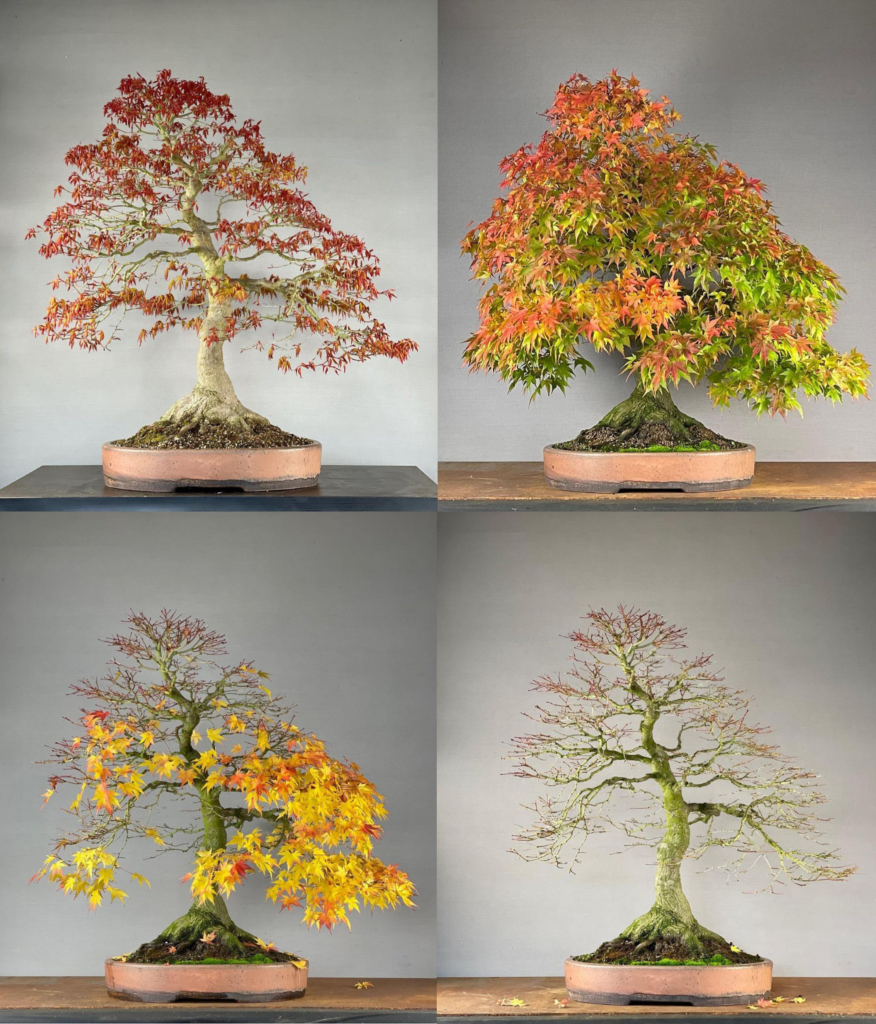
Figure 6: The changing lifecycle of a deciduous Japanese Maple bonsai across the four major seasons.
Spring (Peak Activity)
- Repot young trees just as their winter buds begin to swell.
- Resume regular fertilization as new shoots appear.
- Begin routine maintenance pruning to manage early growth.
- Move outdoor trees back to their clear, sunny summer benches.
Summer (Maintenance & Hydration)
- Monitor soil daily and water once or twice a day when temperatures are high.
- Pinch off of all the awnings/weeds every 2-4 weeks.
- Keep a close eye out for spider mites and aphids under the leaves.
- Offer some afternoon shade for sensitive deciduous foliage.
Autumn (Hardening & Assessment)
- Use low nitrogen and high potassium fertiliser formulations.
- Decrease watering frequency as temperatures decrease.
- For deciduous trees, make large pruning cuts when the leaves have dropped.
- Rake fallen leaves from the ground to avoid overwintering of fungal spores.
Winter (Protection & Rest)
- Take frost sensitive outdoor plants to an unheated garage or cold greenhouse.
- Withhold water drastically, checking about once a week.
- Stop all fertilization routines for dormant outdoor species.
- Plan out your upcoming spring repotting and design goals.
From Bonsai to the Big Trees in Your Garden
Principles of tree care are the same with regards to caring for a miniature juniper on your porch as well as mature trees in your yard; healthy soil biology, proper pruning cuts, and a strong root system. Growing miniature trees is a way of connecting to the environment and to the importance of trees in Seattle’s landscape. If you are managing fast-growing backyard varieties, check our guide on fast-growing tree species in the Pacific Northwest.
When your larger landscape trees need professional attention, Bloomatree’s team of ISA-certified arborists is here to help. Expert care, structural pruning and safe tree removal services in the greater Seattle area.
Call Bloomatree today for a no-cost in-house estimate (206-714-9835) or visit our website.